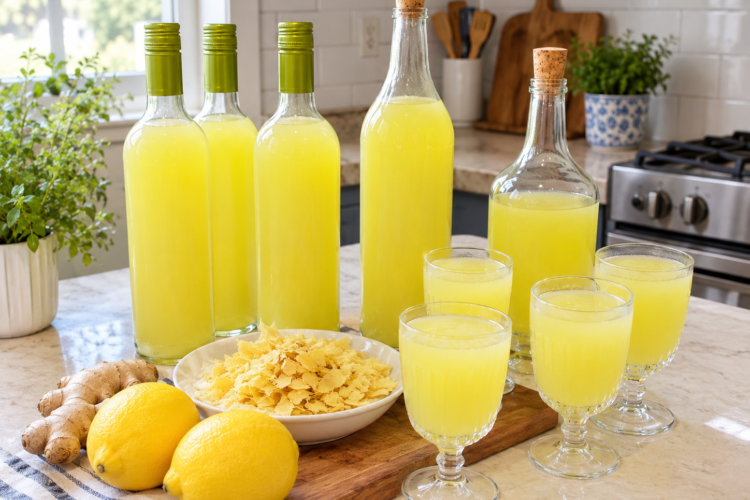
Homemade ginger water is an easy way to enjoy the bold, warming flavor of fresh ginger using just two basic ingredients: ginger and water. This simple ginger drink is prepared by steeping freshly grated ginger in hot water, allowing its natural flavor and aroma to infuse into the liquid. Once strained and cooled, it can be served on its own or customized with lemon juice, honey, maple syrup, ice cubes, or sparkling water. The recipe requires very little preparation, making it a convenient choice for anyone who enjoys homemade drinks without complicated equipment or lengthy cooking steps.
One of the best things about this homemade ginger water recipe is its flexibility. You can prepare a mild, refreshing drink by steeping the ginger for a short time, or leave it to infuse longer for a stronger, spicier taste. Unlike many store-bought ginger beverages, this homemade version allows you to control the ingredients and sweetness. Whether you want a chilled drink on a warm afternoon or a warming ginger infusion during cooler weather, this simple recipe can easily fit your preferences.
Why Make Ginger Water at Home?
Preparing ginger water at home is straightforward and economical. Fresh ginger is widely available, and you do not need a juicer, blender, or specialized kitchen appliance to extract its flavor. A saucepan, a grater, a fine-mesh strainer, and a clean bottle are generally enough to complete the recipe. Because the ingredients are simple, the preparation process is easy to understand, even for beginners who are trying homemade infused drinks for the first time.
Another advantage of homemade ginger water is that you can adjust its flavor without changing the basic recipe. Some people enjoy the natural sharpness of ginger, while others prefer to balance its spicy character with fresh lemon juice or a little sweetness. You can also dilute the prepared drink with additional water if the flavor becomes too intense. These small adjustments make ginger water suitable for different tastes and serving occasions.
Making ginger water yourself also allows you to avoid unnecessary sweeteners when you prefer an unsweetened beverage. The basic preparation contains only ginger and water, while optional additions can be included just before serving. This makes it easier to decide how sweet, tart, spicy, or refreshing you want the final drink to be.
What Is Homemade Ginger Water?
Homemade ginger water is a simple infusion made by combining fresh ginger with water. In this recipe, the ginger is peeled, finely grated, and steeped in hot water to release its distinctive flavor. The mixture is then strained to remove the grated ginger, leaving a flavorful liquid that can be cooled and stored in the refrigerator. Although it is sometimes called ginger juice, this particular preparation is more accurately described as ginger-infused water because the ginger is steeped rather than mechanically juiced.
Fresh ginger has a naturally pungent, slightly peppery taste with a gentle warmth that becomes more noticeable as the infusion develops. The intensity depends on the amount of ginger used, the temperature of the water, and the length of the steeping period. A shorter infusion generally produces a lighter flavor, whereas a longer resting time creates a stronger, more pronounced ginger drink.
The finished beverage can be enjoyed warm after preparation or chilled for later use. Adding lemon juice gives it a citrusy flavor, while honey or maple syrup can soften the sharpness. Sparkling water offers a fizzy variation, and a tiny pinch of cayenne pepper adds extra heat for those who enjoy spicy beverages.
Ingredients for Homemade Ginger Water
This easy ginger water recipe uses only two ingredients for the infusion. The quantities below make approximately one small bottle, although the exact amount of finished liquid may vary slightly during preparation.
Fresh Ginger
Fresh ginger is the main ingredient responsible for the drink’s distinctive flavor. For this recipe, you need 25 grams of ginger. Choose a firm piece with smooth skin and a fresh aroma. Ginger that feels excessively soft, shriveled, or damaged is less suitable for this preparation. Before using it, rinse the ginger thoroughly under running water to remove dirt from the surface.
Peeling the ginger helps remove the outer skin, while finely grating it exposes more surface area to the hot water. This allows the ginger flavor to infuse efficiently without requiring an extended cooking period. A small spoon or vegetable peeler can be used for peeling, and a fine grater works well for preparing the ginger.
Water
Water forms the base of the drink, and this recipe uses 25 centiliters, equivalent to 250 milliliters. Clean drinking water is suitable for the infusion. Heating the water before adding the ginger helps release its aroma and flavor during steeping.
The amount of water can influence the final intensity of the beverage. Following the specified quantity produces a concentrated infusion that can be diluted when serving. If you prefer a lighter ginger drink, add extra water to your glass rather than changing the original recipe ingredients.
Optional Serving Ingredients
The basic ginger infusion does not require sweeteners or additional flavorings. However, lemon juice, honey, maple syrup, cayenne pepper, and ice cubes are suggested serving options. Lemon juice adds acidity and brightness, while honey or maple syrup introduces sweetness. Cayenne pepper provides extra heat, and ice cubes help create a refreshing cold beverage. These additions are optional and can be adjusted according to personal taste.
How to Make Ginger Water Step by Step
Step 1: Peel and Grate the Ginger
Begin by rinsing the fresh ginger thoroughly and removing the outer skin with a vegetable peeler or the edge of a spoon. Cut away any damaged portions if necessary, then finely grate the remaining ginger. Grating is useful because smaller pieces release their flavor more readily than large chunks. Place the grated ginger in a small bowl while you prepare the water.
Step 2: Heat the Water
Pour 250 milliliters of water into a small saucepan and bring it to a boil. Keep an eye on the pan as the water heats, and remove it from the heat once it reaches a rolling boil. There is no need to boil the ginger directly for an extended period because the recipe uses a steeping method to develop the flavor.
Step 3: Infuse the Ginger
Add the grated ginger to the hot water and stir gently to distribute it throughout the liquid. Leave the mixture to steep for at least 10 minutes, or for as long as one hour if you prefer a stronger flavor. During this resting period, the water absorbs the ginger’s spicy aroma and taste. The longer the ginger remains in the water, the more pronounced the finished drink will generally become.
For a mild infusion, begin checking the flavor after 10 to 15 minutes. If you prefer a more intense ginger drink, allow the mixture to steep for longer. Keep the saucepan covered while the infusion rests to help retain warmth and reduce exposure to surrounding contaminants.
Step 4: Strain the Ginger Water
Once the infusion has reached your preferred strength, place a fine-mesh strainer over a clean heat-resistant container or bottle. Carefully pour the liquid through the strainer to remove the grated ginger. Press the ginger gently with the back of a spoon to release any remaining liquid, but avoid forcing too much pulp through the mesh.
Straining creates a smoother drink that is easier to pour and serve. Allow the liquid to cool before transferring it to a suitable storage container if the container is not designed for hot liquids. Choose a clean bottle or jar with a secure lid, and refrigerate the drink promptly after it has cooled sufficiently.
Step 5: Customize the Flavor
Pour the prepared ginger water into a glass and decide whether you want to serve it plain or add extra flavor. Fresh lemon juice gives the beverage a bright citrus note that works especially well with ginger’s natural sharpness. If you prefer a sweeter drink, stir in honey or maple syrup until it dissolves. For additional spice, add a tiny pinch of cayenne pepper and mix thoroughly.
You can also combine the ginger infusion with sparkling water to create a fizzy drink. This option is particularly appealing when you want something refreshing without relying on a packaged soda. Start with a small amount of sparkling water, taste the mixture, and add more until the strength is suitable for you.
Step 6: Serve Chilled or Warm
For a cold ginger water recipe, pour the infusion over ice cubes and serve immediately. The ice makes the drink refreshing, although it will gradually dilute the flavor as it melts. If the infusion is too strong, adding plain cold water is another simple way to balance it.
You may also enjoy the drink warm after the steeping process, provided it has cooled to a comfortable drinking temperature. Whether served warm or cold, homemade ginger water is best enjoyed according to your preferred flavor intensity. Stir the beverage before serving if any natural sediment has settled at the bottom of the container.
How to Serve Homemade Ginger Water
There are several easy ways to serve ginger water without making the preparation process complicated. The simplest option is to pour the strained infusion into a glass and enjoy its natural ginger flavor. This approach is ideal for people who prefer unsweetened drinks or want to keep the ingredient list as short as possible. The flavor can be quite bold, so a small serving may be a good starting point if you are unfamiliar with fresh ginger beverages.
Ginger Water with Lemon
Lemon juice is one of the easiest additions to homemade ginger water. Its bright acidity complements the spicy ginger flavor and creates a crisp, refreshing taste. Add the suggested two tablespoons of lemon juice to your serving, or begin with less if you prefer a milder citrus flavor. Fresh lemon slices can also be used as a garnish to make the drink look appealing.
Ginger Water with Honey or Maple Syrup
If the infusion tastes too sharp, honey or maple syrup can add a gentle sweetness. The recipe suggests one tablespoon of either sweetener, but the amount can be adjusted when serving. Stir well so that the sweetener blends evenly with the liquid. Honey has a distinctive floral sweetness, whereas maple syrup adds a deeper flavor. Remember that these additions increase the drink’s sugar and calorie content.
Spicy Ginger Water with Cayenne Pepper
For a stronger, more peppery beverage, add a small pinch of cayenne pepper. This optional ingredient creates a sharper flavor that may appeal to people who enjoy spicy drinks. Use only a little at first because cayenne can quickly overpower the ginger. Mix the drink thoroughly and taste it before adding more.
Iced or Sparkling Ginger Water
Chilled ginger water is a practical choice for warm days. Serve it over ice cubes in a clear glass, optionally garnished with lemon. For a bubbly version, combine the prepared infusion with sparkling water shortly before serving. Adding sparkling water at the last moment helps preserve its carbonation. Both variations offer simple ways to change the texture and serving style without altering the original ginger infusion.
Tips for Making the Best Ginger Water
Adjust the Steeping Time
Steeping time is the main factor you can control to change the flavor of this recipe. Ten to fifteen minutes is a useful starting point for a milder drink, while a longer infusion produces a more intense ginger character. The full suggested resting period is between 10 minutes and one hour. Taste the infusion carefully as it develops so you can stop when the flavor suits your preferences.
Grate the Ginger Finely
Finely grated ginger releases flavor efficiently because more of its surface comes into contact with the hot water. Large chunks can work in other ginger infusion recipes, but they may require more time to develop a comparable intensity. A fine grater is particularly helpful when you want a flavorful drink without simmering the ginger for a long time.
Strain Carefully
A fine-mesh strainer helps remove the ginger fibers and creates a smoother beverage. If small particles pass through the first straining, pour the liquid through the strainer a second time. Use a clean bottle or jar for storage, and avoid touching the inside of the container or lid with unwashed hands.
Cool and Refrigerate Promptly
Allow the infusion to cool safely before storing it in a suitable container. Refrigerate it promptly rather than leaving it at room temperature for an extended period. A clean, tightly sealed bottle helps protect the drink from contamination and unwanted odors from other foods in the refrigerator.
Add Optional Ingredients Just Before Serving
Lemon juice, sweeteners, cayenne pepper, ice, and sparkling water can be added when you are ready to drink the infusion. Keeping the base simple makes it easier to prepare different servings to suit different tastes. It also allows you to store the unsweetened infusion separately from the ingredients you may want to add later.
How to Store Homemade Ginger Water
Homemade ginger water should be stored in a clean, airtight bottle or jar in the refrigerator. The original recipe suggests that the drink can be kept for a few days in a cool, sealed container. Because this is a homemade infusion without a validated preservation process, its exact shelf life cannot be guaranteed. For best quality and safety, refrigerate it promptly and aim to use it within two to three days.
Always use clean utensils when pouring or serving the drink, and avoid drinking directly from the storage bottle. If the beverage develops an unusual smell, visible mold, unexpected changes in appearance, or other signs of spoilage, discard it rather than tasting it. Do not rely on smell alone to determine whether stored food or beverages are safe.
For convenient serving, prepare a small batch and divide it into individual portions if desired. Keep the bottle covered between uses, and add ice only to the glass rather than to the entire stored batch. This helps prevent unnecessary dilution and makes it easier to preserve the infusion’s original flavor.
Is Ginger Water Healthy?
Ginger water can be a useful way to enjoy a flavorful beverage made primarily from water and fresh ginger. When served without added sweeteners, it can be an alternative to sugary drinks for people who enjoy its spicy taste. However, its nutritional value depends on the preparation method, the quantity consumed, and any optional ingredients added during serving.
Fresh ginger contains naturally occurring plant compounds, including gingerols, that have been studied for various biological effects. Research on ginger does not mean that every homemade ginger drink provides a specific medical benefit, and the amount of ginger compounds transferred into an infusion can vary. Ginger water should not be presented as a guaranteed detox drink, weight-loss treatment, or cure for a health condition.
Adding honey or maple syrup increases the sugar content, while lemon juice contributes additional flavor and a small amount of nutrients. Cayenne pepper changes the taste but does not make the drink a proven treatment for circulation or other medical concerns. For everyday hydration, plain water remains an excellent option, and ginger water can be enjoyed as one flavorful alternative.
People who experience heartburn or stomach irritation after consuming spicy foods may find concentrated ginger water uncomfortable. Those taking medication or managing a health condition should seek professional advice if they plan to consume large quantities of ginger regularly. The drink is best treated as a beverage rather than a substitute for prescribed treatment or a balanced diet.
Frequently Asked Questions About Ginger Water
Can I Make Ginger Water Without a Juicer?
Yes. A juicer is not necessary for this recipe because the ginger flavor is extracted through steeping. Simply peel and grate the fresh ginger, add it to hot water, allow it to infuse, and strain the mixture. This method requires only basic kitchen tools and is suitable for people who want to prepare a small batch without purchasing additional equipment.
How Long Should Ginger Water Steep?
The suggested steeping time is 10 minutes to one hour. A shorter period creates a milder infusion, while a longer period usually produces a stronger and spicier flavor. Start with 10 to 15 minutes if you prefer a gentle drink, then adjust the timing in future batches according to your taste.
Can I Drink Ginger Water Cold?
Yes. Ginger water can be served cold or warm. To make a chilled version, let the infusion cool safely, transfer it to a clean covered container, and refrigerate it. Pour the drink over ice just before serving, or add sparkling water for a fizzy variation.
Can I Sweeten Ginger Water?
Yes. Honey and maple syrup are suggested optional sweeteners in this recipe. Stir your preferred sweetener into the prepared drink until it dissolves. You can begin with a smaller amount and add more if necessary. Keep in mind that sweeteners add sugar and calories to the otherwise simple infusion.
Can I Use Ground Ginger Instead of Fresh Ginger?
This recipe is designed for fresh ginger, and ground ginger may produce a different flavor and texture. Ground ginger can leave fine particles in the liquid and does not behave exactly like freshly grated ginger during steeping. For the intended result and original ingredient list, use fresh ginger rather than substituting another form.
How Much Ginger Water Can I Drink?
There is no single amount that is appropriate for everyone. Tolerance depends on individual preferences, sensitivity to ginger, and personal health circumstances. Begin with a modest serving if you are unfamiliar with the drink, especially if concentrated ginger causes digestive discomfort. People with relevant medical conditions or medication concerns should ask a qualified healthcare professional for personalized advice.
Does Ginger Water Need to Be Refrigerated?
Yes. Once prepared and cooled, ginger water should be stored in the refrigerator in a clean, tightly sealed container. The recipe suggests using it within a few days, with two to three days being a practical target for freshness. Discard the drink if it shows signs of spoilage or has been stored improperly.
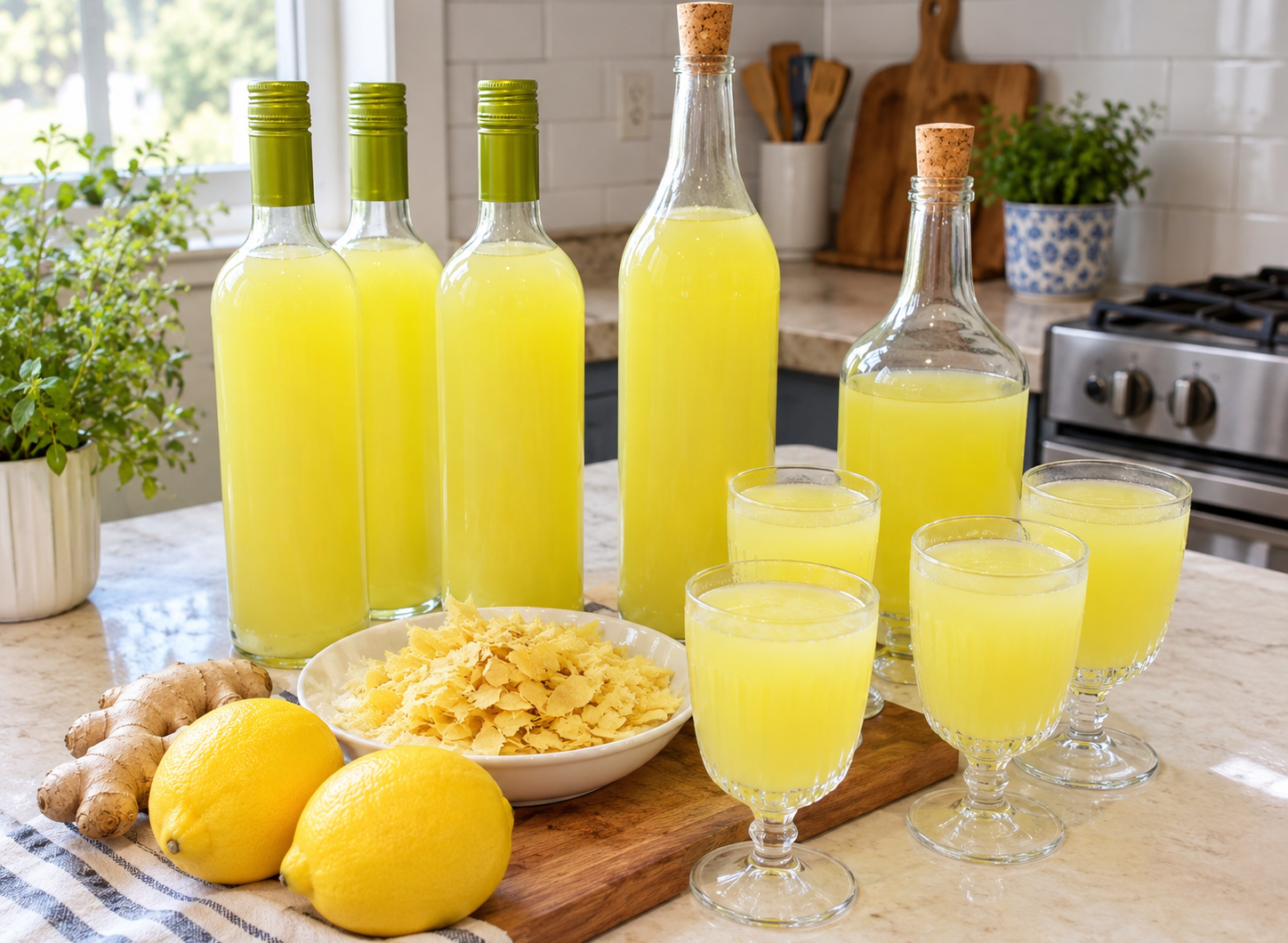
Homemade Ginger Water Recipe
A simple fresh ginger infusion made with water, with optional lemon juice, sweetener, and ice for serving.
1
servings10
minutes60
minutes1
hour10
minutesIngredients
- For the ginger infusion
25 g fresh ginger
25 cl water (250 ml)
- Optional ingredients for serving
2 tablespoons lemon juice
1 tablespoon honey or maple syrup
1 pinch cayenne pepper (optional)
Ice cubes
Directions
- Peel the ginger. Rinse the fresh ginger, remove its skin with a spoon or vegetable peeler, and finely grate it.
- Boil the water. Pour 250 ml of water into a saucepan and bring it to a boil.
- Steep the ginger. Remove the saucepan from the heat, add the grated ginger, and let it infuse for 10 minutes to 1 hour, depending on the desired strength.
- Strain the infusion. Pour the liquid through a fine-mesh strainer into a clean bottle or jar. Press the grated ginger gently to release the remaining liquid.
- Cool and refrigerate. Let the infusion cool safely, then cover the container and place it in the refrigerator.
- Add optional flavors. Pour the ginger water into a glass. Add lemon juice, honey or maple syrup, and a tiny pinch of cayenne pepper if desired.
- Serve chilled. Add ice cubes and enjoy. You can also dilute the infusion with water or combine it with sparkling water.
Notes
- For mild ginger water: Steep the ginger for 10–15 minutes.
- For a stronger flavor: Allow the ginger to steep for up to 1 hour.
- Storage: Keep the drink in a clean, airtight container in the refrigerator and aim to consume it within 2–3 days.
- Serving suggestion: Add lemon juice, sweetener, cayenne pepper, or ice according to your preference.
