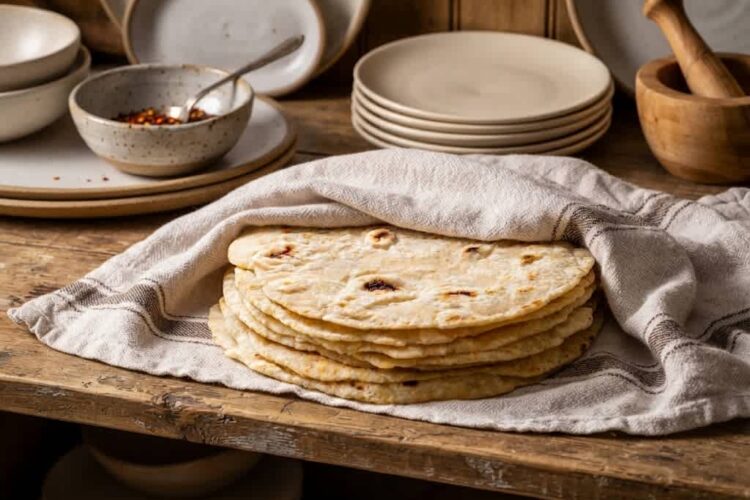
Finding a good gluten free tortilla recipe can be surprisingly difficult. Many homemade gluten free tortillas turn out stiff, crumbly, or difficult to roll without breaking. These gluten free flour tortillas are different. They are soft, flexible, easy to handle, and thin enough to use for wraps, tacos, sandwiches, and other everyday meals. The dough is also simple to prepare, making this a practical recipe for anyone who wants homemade gluten free tortillas without complicated techniques or hard-to-find ingredients.
One of the biggest advantages of this recipe is its short ingredient list. You only need five basic ingredients, including water and salt, to make a batch of twelve tortillas. The combination of gluten free flour, psyllium husk, warm water, salt, and neutral oil creates a dough that is remarkably easy to work with. Psyllium husk is especially useful because it helps give the gluten free dough structure and flexibility that would normally come from gluten in traditional wheat flour tortillas.
Why These Gluten Free Tortillas Work So Well
Traditional flour tortillas depend on gluten to create elasticity. Gluten helps wheat dough stretch, hold together, and remain flexible after cooking. Since gluten free flour does not naturally provide the same structure, a suitable binding ingredient is important. In this recipe, whole psyllium husk performs that role by absorbing water and forming a gel. This gel helps bring the dough together and makes the finished tortillas much easier to roll and fold.
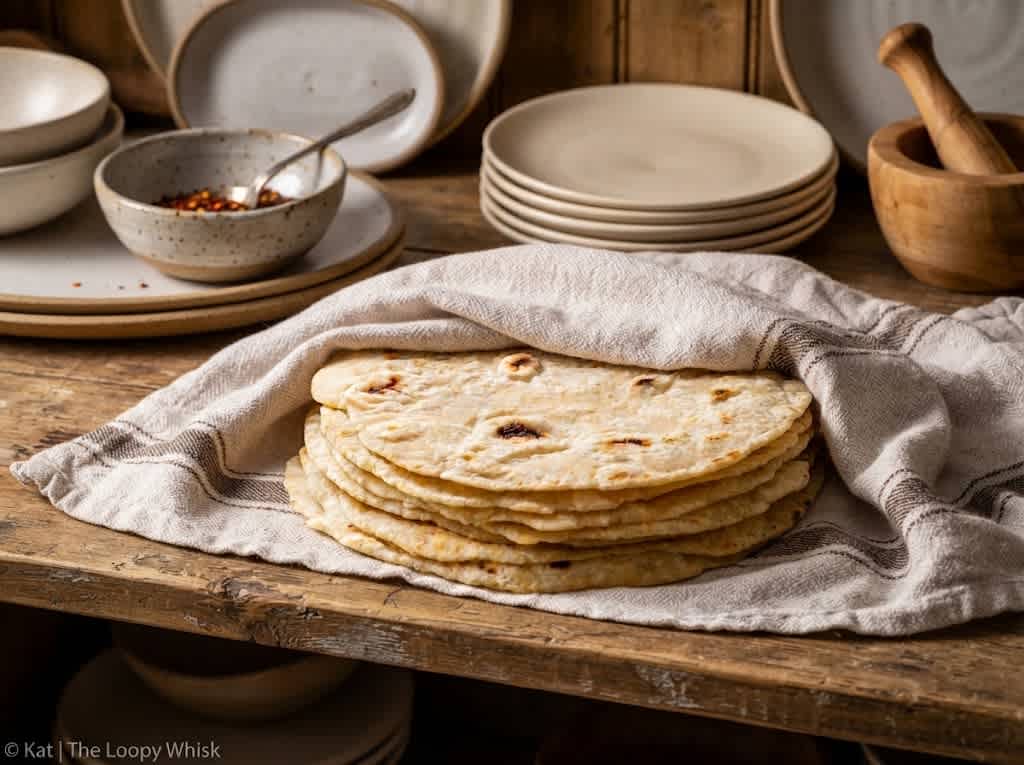
The finished tortillas are thin, soft, and flexible rather than dry or brittle. When cooked correctly in a hot non-stick pan, they can develop small bubbles and larger browned spots while remaining soft enough for wrapping. This makes them useful for everything from simple lunch wraps to gluten free tacos and quick homemade quesadillas. Their mild flavor also means they can work with savory fillings without overpowering the other ingredients.
What Makes This Gluten Free Tortilla Recipe Easy
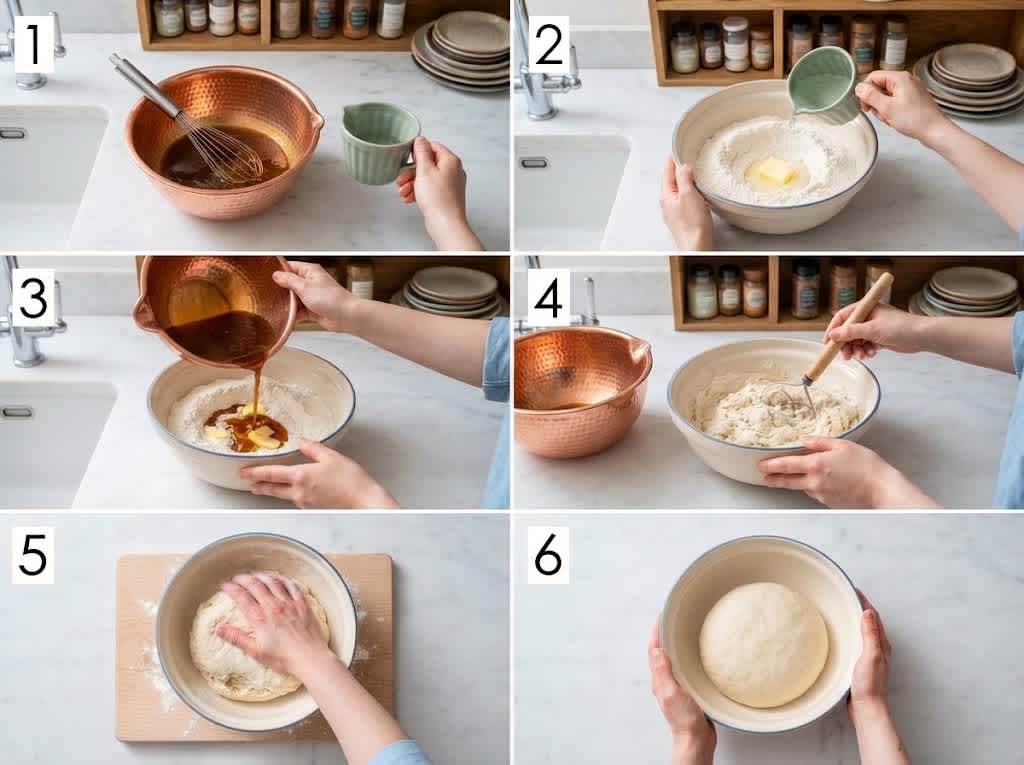
The dough is particularly straightforward because it does not require yeast, eggs, dairy, or a long resting period. The psyllium husk is first combined with warm water, allowing it to form a gel. The gluten free flour and salt are mixed separately before the oil and psyllium mixture are added. Once everything is combined, the dough can be kneaded by hand until it becomes cohesive and springy.
Unlike some gluten free doughs, this mixture can be handled much like conventional dough. You can divide it into portions, shape those portions into balls, and roll them into thin circles. The dough does not need to look perfectly smooth before rolling. Small imperfections on the surface are completely normal and will disappear as the tortillas are flattened and cooked.
How Psyllium Husk Helps Gluten Free Dough
Psyllium husk is an important ingredient in these gluten free flour tortillas. When mixed with warm water, it quickly absorbs liquid and develops a gel-like consistency. That gel provides structure to the flour mixture and helps the dough hold together. It also contributes to the flexibility that is especially important when making tortillas intended for folding or wrapping.
For this recipe, the ingredient list specifies whole psyllium husk. If you are using psyllium husk powder instead, the amount is different, so follow the quantity stated in the recipe card. Keeping the correct proportion of psyllium to water is important because too much or too little can change the texture of the dough and finished tortillas.
Preparing the Gluten Free Tortilla Dough
Start by whisking the psyllium husk with the warm water. The mixture begins changing texture very quickly, so it only needs a short time before it becomes a gel. While this happens, prepare the dry ingredients in another large bowl by combining the gluten free flour blend and salt.
Create a space in the center of the flour mixture and add the sunflower oil along with the prepared psyllium gel. Use a wooden spoon to mix everything together until a rough dough forms. At this stage, the dough may look uneven, but that is normal. The important thing is to continue working it until the flour and psyllium gel are evenly distributed.
Kneading by hand is helpful because it allows you to feel whether any dry flour remains. Squeeze and fold the dough while working around the bowl, scraping flour from the sides as necessary. The finished dough should be homogeneous and springy, with no dry pockets or separate clumps of psyllium gel. It should not feel excessively sticky.
Dividing and Shaping the Dough
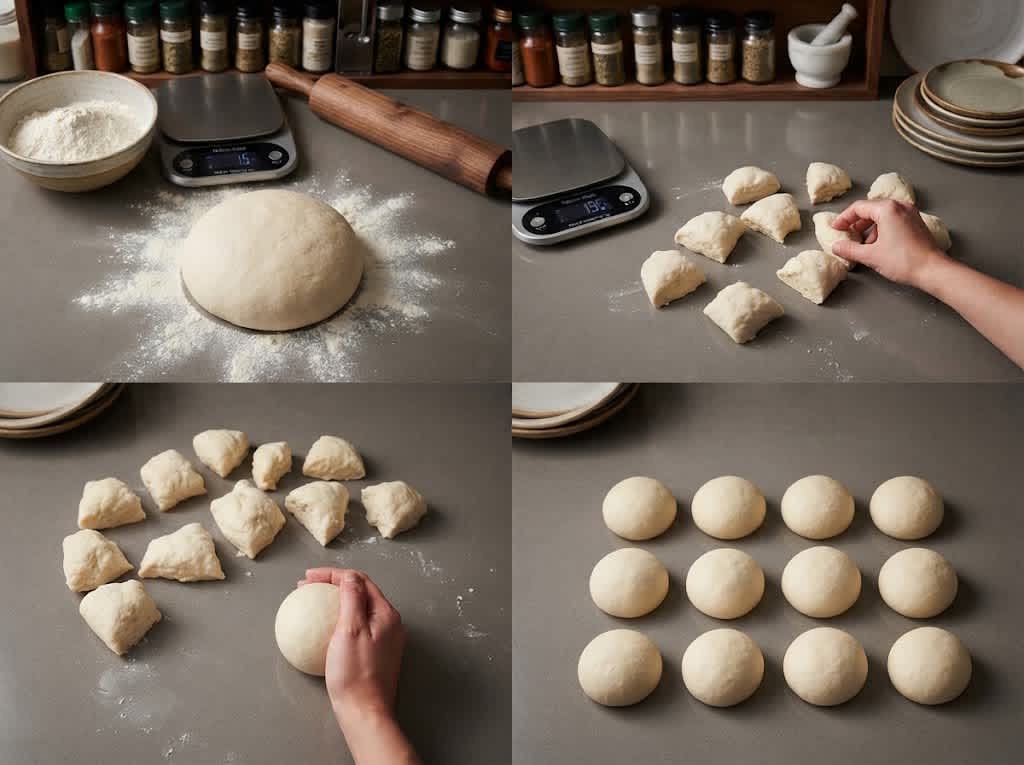
Once the dough is ready, transfer it to a lightly floured work surface and divide it into twelve equal portions. Keeping the portions similar in size helps the tortillas cook evenly and makes it easier to achieve a consistent thickness.
Shape each portion into a ball. The dough balls do not need to have perfectly smooth surfaces. Gluten free dough behaves differently from wheat dough, so small cracks or rough areas are not a problem. Once the dough is rolled thin, those imperfections become much less noticeable.
Keep the dough balls covered with a clean dish towel while you work. This simple step helps prevent the dough from drying out, which is particularly important when you are preparing several tortillas one after another.
How to Roll Gluten Free Tortillas Without Tearing
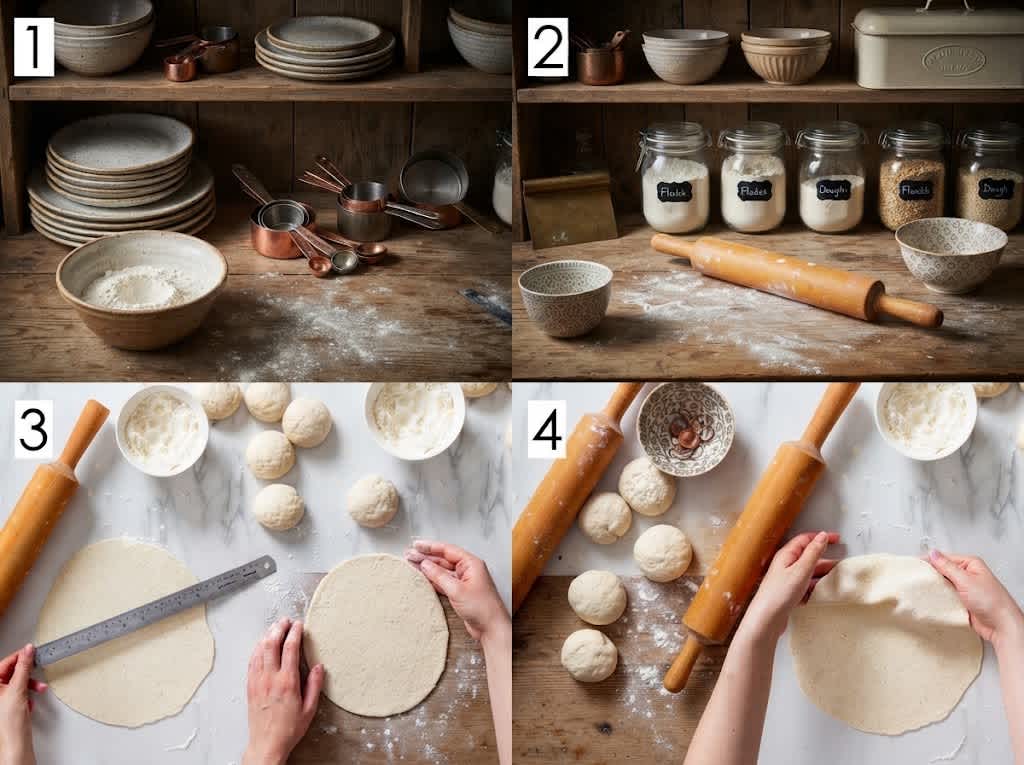
Rolling the dough thin is one of the most important parts of the recipe. Lightly flour your work surface and the top of one dough ball, then use a rolling pin to gradually flatten it. Aim for a tortilla approximately 9 inches, or 23 centimeters, in diameter and around 1 millimeter thick.
Rotate the dough regularly as you roll. This helps prevent it from sticking and encourages a more even, round shape. It is not necessary for every tortilla to look perfectly circular. Homemade tortillas often have slightly irregular edges, and this does not affect their taste or usefulness.
Avoid making the tortillas too thick. A thin tortilla is easier to fold into a wrap and has a better chance of developing the characteristic bubbles during cooking. If the dough begins sticking, use a small amount of additional flour on the surface and on top of the tortilla.
Cooking Homemade Gluten Free Tortillas
A large non-stick frying pan is ideal for cooking these tortillas. Preheat the pan over medium-high heat. You can check whether the surface is hot enough by adding a tiny droplet of water. It should sizzle when it hits the pan.
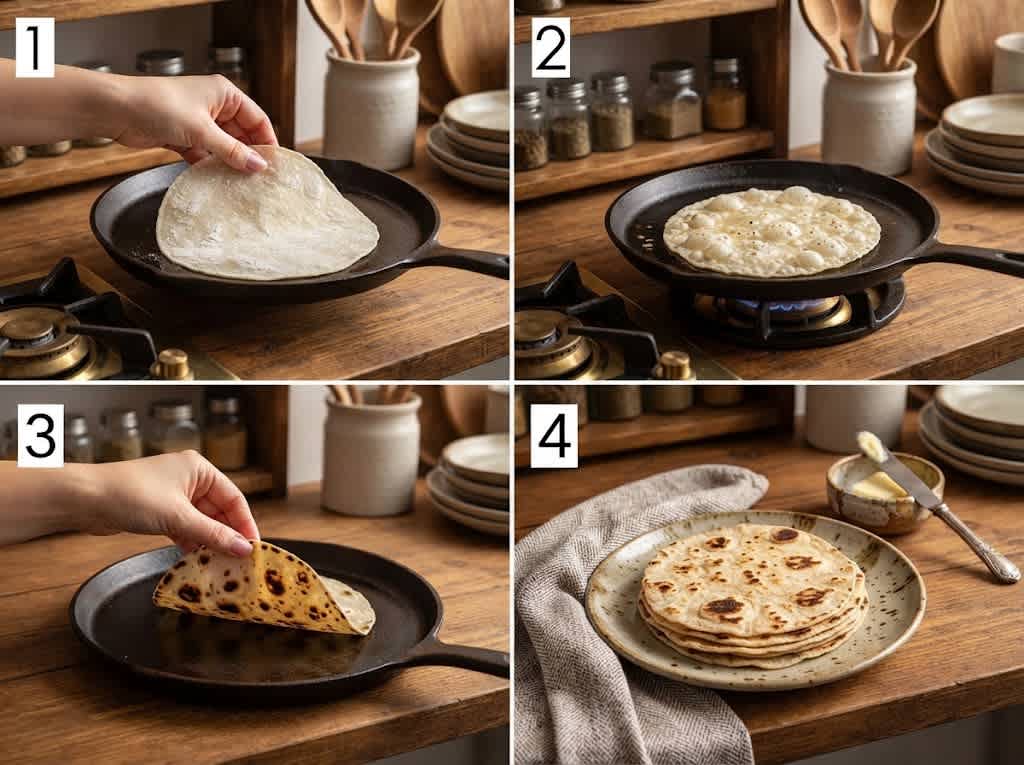
Carefully place one rolled tortilla into the hot pan. Cook it for approximately 45 seconds. As it heats, bubbles should begin appearing on the surface. The underside should look dry and develop occasional light brown spots. This is the point when the tortilla is ready to flip.
After turning it over, continue cooking for another 45 seconds to one minute. The tortilla may puff in several areas as steam develops inside the dough. Look for larger dark brown spots on the underside as a useful indication that it is cooked.
Getting the Right Cooking Temperature
Heat control makes a noticeable difference in the texture of homemade gluten free tortillas. If the tortillas become dark or brown very quickly, the pan is probably too hot, so reduce the temperature slightly. If a tortilla takes considerably longer than one minute per side to cook, increase the heat.
The goal is a tortilla that cooks quickly enough to remain soft but develops enough color and bubbles to indicate that it has cooked properly. Because stovetops and pans vary, use the appearance of each tortilla as your guide rather than relying only on an exact cooking time.
A non-stick pan is recommended because it makes it easier to place, flip, and adjust the tortillas. The smooth surface also helps reduce sticking while the thin dough is cooking.
Keeping Gluten Free Tortillas Soft
As each tortilla finishes cooking, transfer it to a clean dish towel and cover it well. Keeping the cooked tortillas covered traps some of their natural steam, helping them remain soft and flexible instead of becoming dry.
This step is especially useful when you are preparing the entire batch. Rather than leaving finished tortillas exposed to the air while the remaining ones cook, keep them together under the towel. By the time all twelve tortillas are ready, they should be much easier to fold and use.
For the best texture, these gluten free tortillas are especially enjoyable while warm. They can be filled immediately with your favorite ingredients and used as wraps, tacos, or a simple homemade flatbread-style accompaniment.
How to Use Gluten Free Flour Tortillas
These homemade tortillas are versatile enough for many meals. Use them as gluten free wraps filled with cooked chicken, vegetables, salad ingredients, or other preferred fillings. They can also be used for tacos, where their flexible texture makes them easy to fold around savory fillings.
For breakfast, try filling a warm tortilla with eggs and your favorite breakfast ingredients. At lunchtime, they can become a quick wrap with vegetables and a protein source. For dinner, use them as a base for tacos or other Mexican-inspired meals. Because the tortillas have a relatively mild flavor, they can adapt to many different fillings and sauces.
Storing Homemade Gluten Free Tortillas
Fresh tortillas are best when eaten warm, but they can also be prepared ahead of time. Once cooled, place them in a zip-lock bag or wrap them tightly in cling film. They keep well for approximately two to three days when stored properly.
Keeping the tortillas sealed is important because exposure to air can cause them to lose moisture and become less flexible. If you know you will not use the entire batch immediately, make sure the remaining tortillas are wrapped securely as soon as they have cooled.
Reheating Gluten Free Tortillas
Stored tortillas can become firmer after refrigeration, but gentle reheating can restore much of their softness. To reheat a next-day or third-day tortilla, warm a large non-stick frying pan over medium heat.
Lightly spray the tortilla with water and place it in the hot pan. Cover the pan with a lid and heat the tortilla for approximately 45 seconds to one minute on each side. The small amount of moisture combined with the covered pan creates steam, helping soften the tortilla.
After reheating, place the tortilla in a dish towel and cover it for several minutes. Trapping the steam in this way helps the tortilla become flexible again and makes it easier to fold around your chosen filling.
Frequently Asked Questions About Gluten Free Flour Tortillas
Can I use psyllium husk powder?
Yes, but the quantity is different from whole psyllium husk. The recipe specifies 24 grams of whole psyllium husk and 20 grams when using psyllium husk powder. Measuring the correct amount is important because powdered psyllium can absorb water differently.
Can I prepare the tortillas ahead of time?
Yes. Once cooked and cooled, the tortillas can be stored in a zip-lock bag or tightly wrapped in cling film for two to three days. Reheat them gently in a covered non-stick pan with a light spray of water to help restore their softness.
Why are my tortillas breaking?
Tortillas may become difficult to fold if they are too thick, overcooked, or allowed to dry out. Roll them to approximately 1 millimeter thick, avoid excessive cooking, and keep finished tortillas covered with a clean dish towel.
Why are my tortillas sticking to the pan?
A suitable non-stick frying pan helps reduce sticking. Make sure the pan is properly preheated before adding the tortilla. The cooking surface should be hot enough for the tortilla to begin cooking immediately without sitting on a cool surface.
Can I roll all the tortillas before cooking?
Yes. If you choose to prepare them all in advance, place pieces of baking or greaseproof paper between the rolled tortillas to prevent them from sticking together. Keep the stack covered with a clean dish towel so the dough does not dry out.
Easy Gluten-Free Flour Tortillas
Soft, thin, and flexible homemade gluten free flour tortillas made with five simple ingredients.
12
servings20
minutes20
minutes40
minutesIngredients
24 g (5 tbsp) whole psyllium husk (rough husk form)
If using psyllium husk powder, use only 20 g.480 g (2 cups) warm water
360 g (3 cups) plain gluten free flour blend, plus extra for flouring the surface
1 tsp salt
50 g (¼ cup) sunflower oil or other neutral-tasting oil of choice
Directions
- Combine the whole psyllium husk and warm water in a bowl. Whisk briefly until evenly mixed, then allow the mixture to sit for about 15–20 seconds until it forms a gel.
- In a separate large bowl, combine the plain gluten free flour blend and salt, mixing them thoroughly so the salt is evenly distributed.
- Make a well in the center of the dry mixture. Add the sunflower oil and prepared psyllium gel to the flour.
- Mix with a wooden spoon until the ingredients begin forming a dough. Continue working the mixture by hand, squeezing and kneading it until all of the flour and psyllium gel are fully incorporated.
- Continue kneading until the dough becomes homogeneous and springy. Scrape any flour from the sides of the bowl and make sure there are no dry patches or clumps.
- Transfer the dough to a lightly floured work surface. Divide it into 12 equal portions.
- Shape each portion into a ball. Cover the dough balls with a clean dish towel while you work to prevent them from drying out.
- Lightly flour the work surface and the top of one dough ball. Roll it carefully with a rolling pin until it forms an approximately 9-inch (23 cm) tortilla about 1 mm thick.
- Rotate the tortilla regularly while rolling to reduce sticking and help maintain a round shape. Add a small amount of extra flour when necessary.
- Preheat a large non-stick frying pan over medium-high heat. The pan is ready when a small droplet of water sizzles on its surface.
- Place the rolled tortilla in the hot pan and cook for about 45 seconds, or until bubbles appear and the underside looks dry with occasional light brown spots.
- Flip the tortilla and cook for another 45 seconds to 1 minute. The tortilla may puff in places. Continue until the underside develops larger dark brown spots.
- If the tortillas brown too quickly, reduce the heat. If they take substantially longer than one minute per side, increase the heat.
- Transfer each cooked tortilla to a clean dish towel and cover it well to trap steam and keep the tortillas soft.
- Continue rolling and cooking the remaining portions. Serve the tortillas warm for the best texture.
