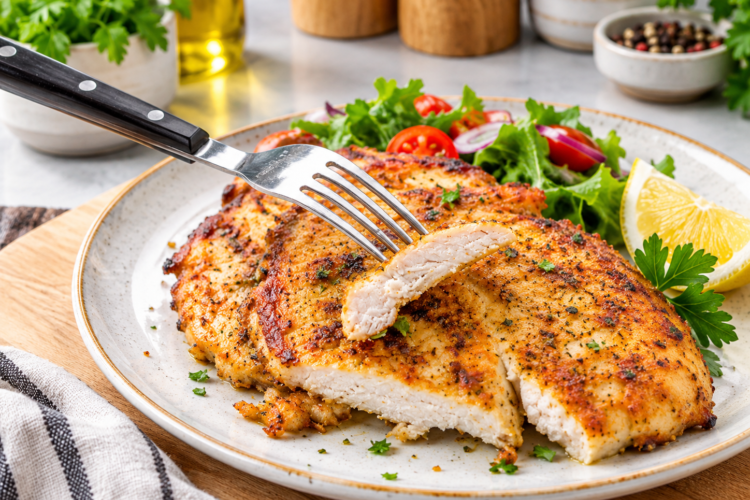
Super Easy 3 Ingredient Pork Chops are a simple way to prepare a flavorful meal without spending hours in the kitchen. Made with pork chops, oil, and a homemade seasoning blend, this easy pork chop recipe is ideal for busy weeknights, quick lunches, or a satisfying dinner. The meat is seasoned, briefly marinated, and cooked in a hot pan until beautifully browned and tender. With just a few basic ingredients, you can make a delicious main course that pairs well with vegetables, salads, and sandwiches.
One of the best things about this recipe is its flexibility. You can use boneless pork chops or butterflied pork chops, depending on what is available. A simple combination of black pepper, chili powder, roasted cumin, salt, and ginger garlic paste gives the meat a savory flavor with a gentle warmth. Although the ingredient list is short, the seasoning adds plenty of character without requiring a complicated sauce or a long list of spices.
This Easy Pork Chop Recipe
This quick pork chop recipe is especially useful when you want a homemade meal without complicated preparation. The seasoning ingredients are familiar, and the cooking method is straightforward. After rubbing the spices into the pork, you can leave the meat to marinate while preparing your side dishes. Once the pan is hot, the chops cook quickly, making this a convenient option for anyone who needs dinner on the table without a lengthy cooking process.
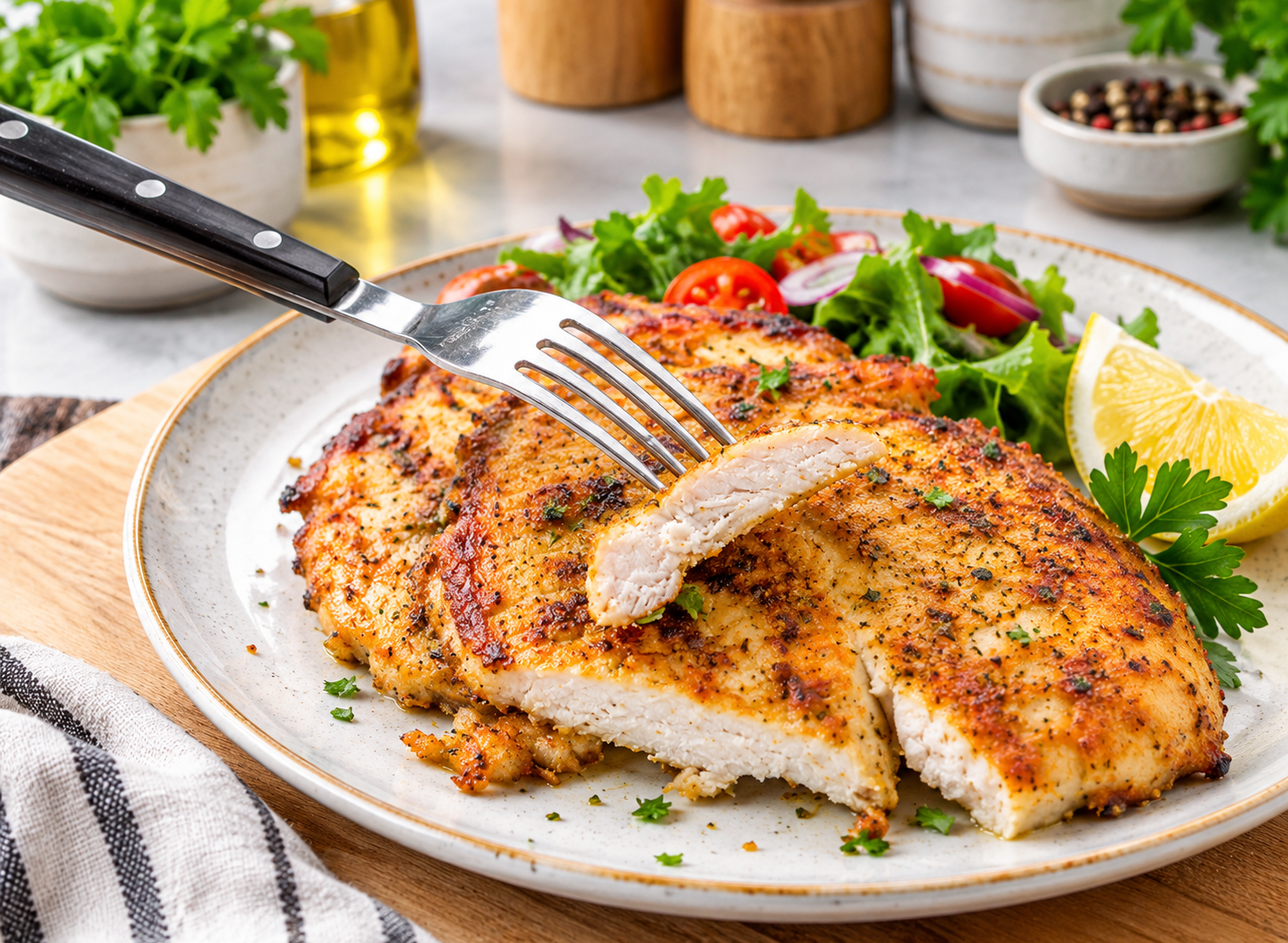
Another reason to make these 3 ingredient pork chops is that they work with different meal plans and serving styles. Serve them whole alongside sautéed green peas, roasted vegetables, or a fresh salad for a complete meal. Alternatively, slice the cooked meat and use it as a filling for sandwiches. The seasoning is versatile enough to complement simple sides, so you do not need to prepare an elaborate menu to make the meal satisfying.
What Makes This Recipe Different
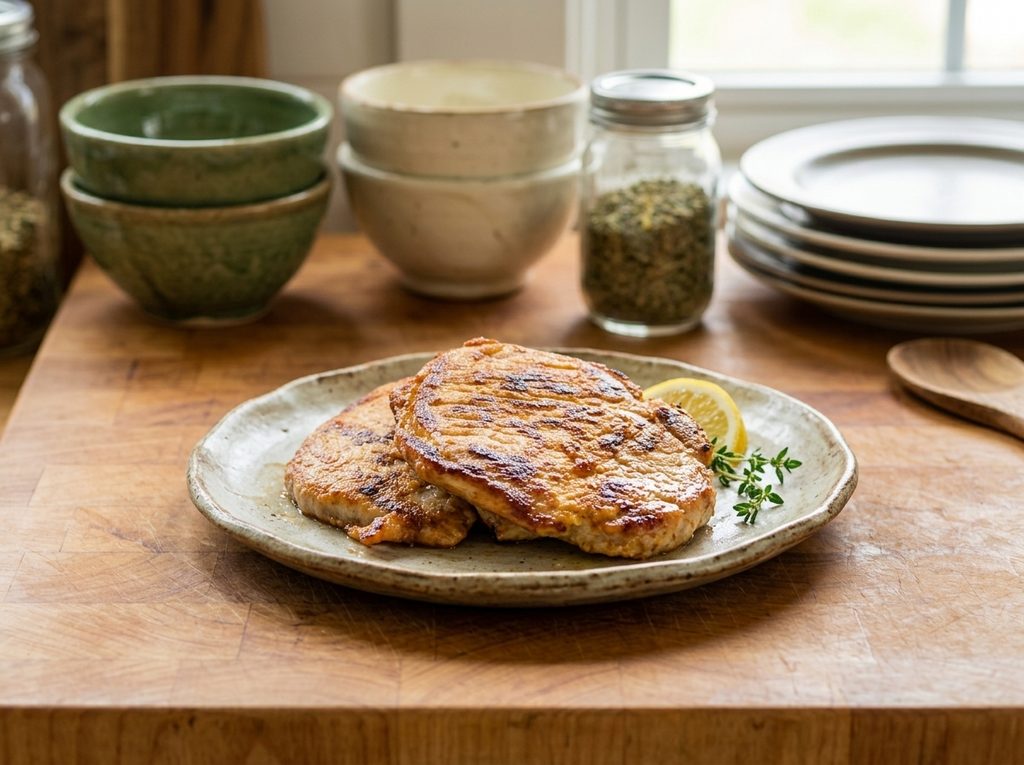
The secret to this recipe is the combination of a short ingredient list and a flavorful seasoning mixture. Pork chops have a naturally savory taste, so they do not need a complicated marinade to become delicious. Black pepper and chili powder provide warmth, roasted cumin adds an earthy note, and ginger garlic paste brings a familiar aromatic flavor. A little salt brings the seasoning together and helps the natural flavor of the pork stand out.
The cooking technique also makes a difference. Instead of relying on a long roasting time, this recipe uses a hot pan to brown relatively thin pork chops quickly. Flattening the meat helps it cook more evenly and reduces the time needed on the stove. When the surface develops a golden-brown crust and the center reaches a safe temperature, the chops are ready to serve.
Ingredients for 3 Ingredient Pork Chops
The main ingredients are pork chops, oil, and seasoning. The seasoning itself contains several spices, but it is treated as one component of the simple three-part recipe: the meat, the cooking oil, and the flavoring. You can measure the spices according to your taste, making the recipe easy to adjust without changing the basic cooking method.
Boneless pork chops are convenient because they are easy to portion and serve. Butterflied pork chops are another suitable choice, particularly when you want a thinner piece of meat that cooks quickly. The small amount of oil helps the pork brown in the pan, while the homemade seasoning coats the surface and creates a flavorful exterior.
Ginger garlic paste is particularly useful because it combines two aromatic ingredients in one convenient preparation. If you prefer a dry seasoning blend, you can substitute ginger powder and garlic powder as described in the recipe. Both approaches work with the other spices, although the paste gives the meat a slightly different texture on the surface.
Choosing the Right Pork Chops
The thickness of the pork chop is one of the most important details in this recipe. Thick chops take longer to cook and can brown on the outside before the center is ready. Thinner chops cook more quickly, which makes them a practical choice for a fast stovetop meal. Whether you purchase boneless or butterflied pork chops, aim for a relatively even thickness so the meat cooks consistently.
Boneless pork chops are easy to handle and can be cut into smaller portions if necessary. Butterflied pork chops are already opened up to create a thinner piece of meat, although they may still need a little pounding to make their thickness more uniform. If you are buying meat from a butcher, you can ask for the chops to be flattened before taking them home.
Pounding the pork gently also helps create an even surface for seasoning. This does not mean crushing the meat until it becomes extremely thin. The goal is simply to reduce thicker areas and make the chop cook at a similar rate from edge to edge. An evenly flattened chop is easier to cook quickly while avoiding overcooked edges.
How to Prepare the Seasoning
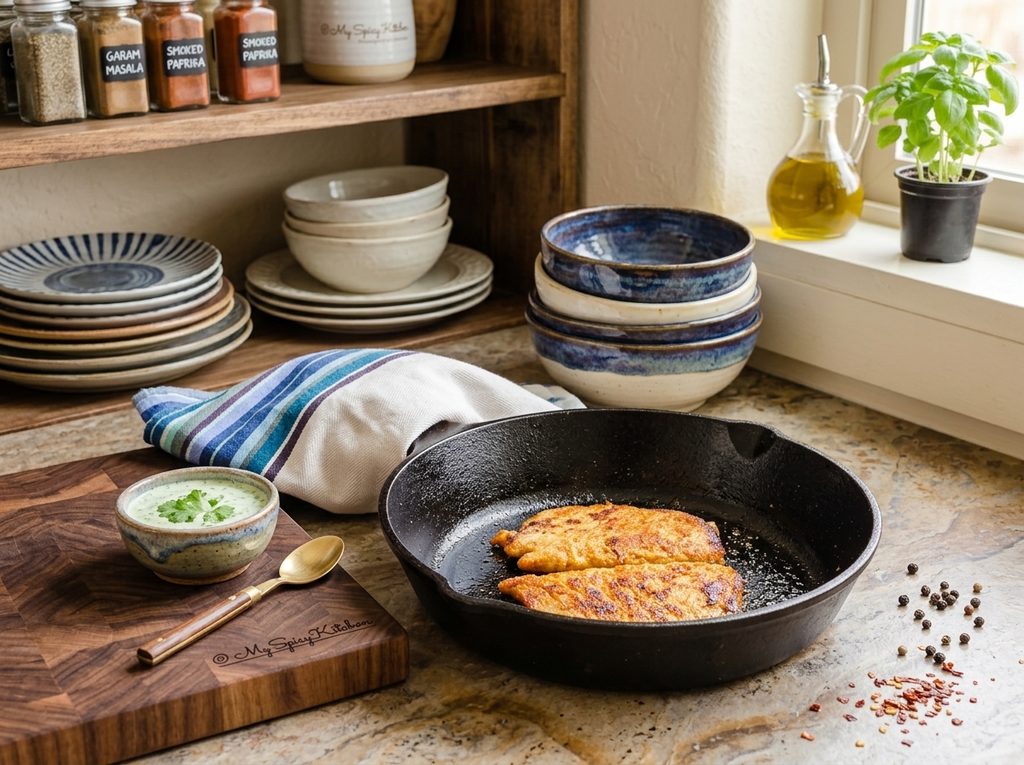
The homemade seasoning blend uses black pepper powder, chili powder, roasted cumin, salt, and ginger garlic paste. Each ingredient contributes a different flavor, so the combination tastes more interesting than plain salt and pepper. Black pepper provides a familiar sharpness, chili powder adds warmth, and roasted cumin gives the meat an earthy, toasted aroma.
Measure the seasonings into a small bowl before adding them to the pork. This makes it easier to distribute the spices evenly and prevents you from adding too much of one ingredient while working over the meat. The salt quantity can be adjusted to your preference, while the chili powder can be modified if you prefer a milder or more pronounced heat.
If you want to prepare a dry seasoning mix, use ginger powder and garlic powder instead of ginger garlic paste. This version is convenient when you want to mix the spices ahead of time or keep a seasoning blend ready for another meal. If you use the paste, spread it evenly over the meat so that it combines with the other seasonings rather than collecting in one spot.
Why Marinating the Pork Matters
Although marinating is optional for a quick pork chop recipe, allowing the meat to rest with its seasoning gives the flavors time to settle onto the surface. A one- to two-hour marination period is a convenient option when you have time to prepare ahead. You can also marinate the pork overnight in the refrigerator if you want to make the cooking process easier the next day.
For the best food safety, marinate pork in a covered container in the refrigerator rather than leaving raw meat on the counter. If you are preparing dinner in advance, season the chops, cover them, and refrigerate until you are ready to cook. Take them out while you prepare the pan and other ingredients, but do not leave raw pork at room temperature for an extended period.
The recipe’s original instructions suggest adding turmeric if marinating for more than 24 hours. However, turmeric is optional and is not part of the listed ingredient quantities. For routine preparation, a shorter refrigerated marination is simpler and avoids the need for an extended holding time.
How to Cook Pork Chops in a Pan
Pan-grilling is the main cooking method for these easy pork chops. A heavy skillet, particularly a cast-iron pan, is useful because it retains heat and helps the meat brown. Begin by heating the oil in the pan. When the pan is hot, carefully place the seasoned chops inside, leaving enough space for them to make good contact with the cooking surface.
Cook the chops over medium to medium-high heat, adjusting the temperature if the seasoning begins to burn before the meat cooks through. Partially covering the pan helps retain some heat while allowing the surface to brown. The first side may take around three minutes, depending on thickness, pan temperature, and the type of pork chop you are using.
Once the underside has developed a browned surface, flip the chops and continue cooking. Partially cover the pan again and cook the second side for another two to three minutes as a starting estimate. Cooking time varies, so do not rely on the clock or the appearance of the juices alone to determine whether pork is ready. Check the thickest part with a food thermometer and cook to a safe internal temperature of 145°F (63°C), followed by a three-minute rest.
How to Get Tender and Juicy Pork Chops
The most useful way to avoid dry pork chops is to pay attention to thickness, heat, and doneness. Thin chops can cook very quickly, so it is important to check them before they spend too long in the pan. A hot skillet encourages browning, but excessively high heat can burn the spices or dry the exterior while the center is still cooking.
Flattening the meat helps reduce uneven cooking. If one end of a chop is much thicker than the other, the thinner portion may become dry before the thick section is ready. Gently pounding the meat to a more uniform thickness helps the whole chop finish cooking more consistently.
After cooking, allow the pork to rest briefly before cutting or serving. Resting gives the meat a chance to settle after the heat of cooking and makes it easier to serve without immediately losing its juices. For sandwiches, slice the meat after resting so the pieces remain easier to handle and distribute.
What to Serve with Pork Chops
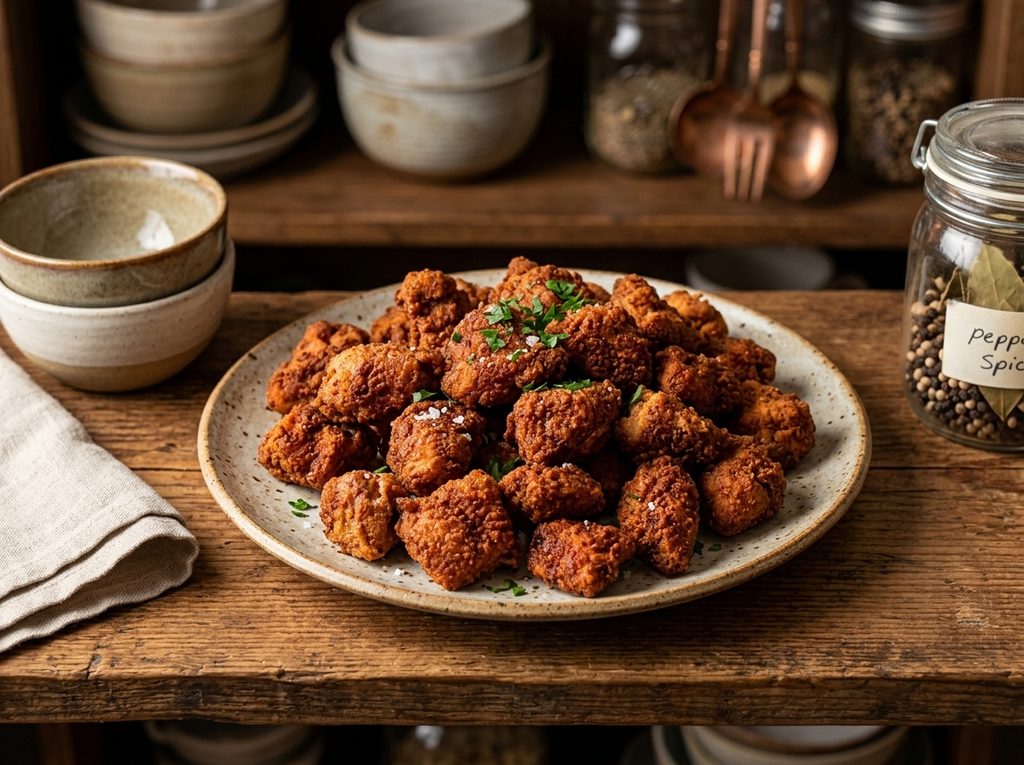
These simple pan-fried pork chops pair well with a variety of vegetables and everyday side dishes. sauteed English green peas are a particularly easy option because they cook quickly and complement the savory seasoning. You can also serve the chops with roasted carrots, green beans, broccoli, or a mixture of seasonal vegetables for a colorful plate.
For a more substantial dinner, pair the pork with mashed potatoes, rice, or a baked potato. A crisp green salad can add freshness and balance the warm spices. If you prefer a lighter meal, serve the pork with steamed vegetables and a simple salad dressing on the side.
The chops are also suitable for sandwiches. Place a cooked chop in a roll or between slices of bread and add your preferred vegetables or condiments. You can serve the meat with yogurt as a simple accompaniment, as suggested in the original recipe, or add a fresh cucumber salad for a cool contrast.
Easy Variations and Serving Ideas
One advantage of this recipe is that the seasoning can be changed without altering the basic preparation. If you enjoy a different flavor profile, you can use a preferred seasoning blend, such as Creole, Cajun, or Italian seasoning. These alternatives offer different combinations of herbs and spices, so the finished pork will have a different taste while keeping the same simple pan-cooking method.
You can also adjust how you serve the finished pork. Keep the chops whole for a traditional main course, cut them into strips for a salad, or slice them for sandwiches. If you are preparing a meal for one, the original single-serving quantities make it easy to cook just one chop without having to prepare a large batch.
For a family meal, multiply the ingredient quantities as needed and cook the pork in batches if your pan is small. Avoid overcrowding the skillet because too many pieces can lower the pan temperature and reduce browning. Keeping the chops in a single layer gives them better contact with the hot cooking surface.
Common Mistakes to Avoid
A common mistake when cooking pork chops is choosing pieces that are too thick for a very short cooking time. If your chops are thick, they will need additional time, and the original six-minute estimate may not be enough. Another mistake is adding the meat before the pan is hot, which can interfere with browning. Preheating the skillet and checking the thickness before cooking help make the process more predictable.
It is also easy to overcook thin pork chops when relying only on a timer. The meat may look browned on the outside before it reaches the correct internal temperature, or it may cook faster than expected. Use a thermometer rather than judging doneness by color or clear juices. This simple step makes the recipe more reliable and helps prevent dry meat.
Frequently Asked Questions
Can I make 3 ingredient pork chops without marinating?
Yes. You can season the pork and cook it immediately if you are short on time. Marinating is an optional step that gives the seasoning time to settle into the surface, but the recipe is designed to be simple even without a long preparation period.
Can I use ginger powder and garlic powder?
Yes. Ginger powder and garlic powder can replace the ginger garlic paste if you want a dry seasoning mixture. Add them to the other spices and distribute the mixture evenly over the pork chops before cooking.
Can I use a regular frying pan?
Yes. A regular skillet works well as long as it can be heated sufficiently for browning. Cast iron is useful because it holds heat, but it is not essential. Choose a pan large enough to fit the chops without crowding them.
How do I know when the pork chops are cooked?
Use a food thermometer inserted into the thickest part of the meat. Pork chops should reach an internal temperature of 145°F (63°C), followed by a three-minute rest. This is more dependable than judging doneness by the outside color or cooking time alone.
Can I use these pork chops for sandwiches?
Yes. Let the cooked chops rest, then serve them whole or slice them into strips. Add the pork to your favorite bread or rolls with vegetables and condiments for a quick lunch or an easy dinner.
Crispy 3-Ingredient Pork
Quick, savory pan-grilled pork chops with a simple homemade spice blend.
1
servings4
minutes6
minutes214
kcal60
minutes1
hour10
minutesIngredients
1 (0.33 lb or 150 g) boneless pork chop or butterflied pork chop
Seasoning of choice
¼–½ teaspoon oil
- Seasoning (approximate measures)
⅙–¼ teaspoon black pepper powder
½ teaspoon chili powder
⅛ teaspoon roasted cumin
⅛–¼ teaspoon salt, adjusted to taste
¼–½ teaspoon ginger garlic paste (or ginger powder and garlic powder)
Directions
- Place the pork chop in a dish. Sprinkle the seasoning over the meat and rub it in evenly on both sides.
- Cover and marinate in the refrigerator for 1–2 hours or overnight. If marinating longer than 24 hours, the original recipe suggests optional turmeric.
- When ready to cook, take the pork out of the refrigerator while you prepare the pan and other ingredients. Keep the raw meat refrigerated until cooking.
- Heat the oil in a skillet, preferably cast iron. When hot, add the pork chop and partially cover the pan. Cook over medium to medium-high heat for about 3 minutes, adjusting as needed.
- Flip the chop, partially cover the pan again, and cook for another 2–3 minutes or until it reaches 145°F (63°C) in the thickest part. Rest for 3 minutes.
- Serve with roasted or sauteed vegetables, or use the cooked pork as a sandwich filling.
Notes
- Flatten thicker chops for faster and more even cooking.
- A dry seasoning mix can be made with ginger powder and garlic powder instead of ginger garlic paste.
- Seasoning blends such as Creole, Cajun, or Italian seasoning can be used as alternatives.
- Refrigerate during marination; do not leave raw pork at room temperature for an extended period.
- Use a thermometer to check doneness, rather than relying only on cooking time.
Nutrition Facts
- Calories: 214kcal
- Fat: 10g
- Carbohydrates: 1g
- Fiber: 1g
- Sugar: 1g
- Protein: 29g
