
Celery juice is a simple, refreshing drink made from fresh celery stalks and water-rich vegetables that can be prepared with either a juicer or a blender. This easy celery juice recipe requires only one main ingredient, making it especially convenient for anyone who wants a fresh green drink without a long ingredient list.
With its light flavor, refreshing texture, and naturally high water content, celery juice has become a popular choice for people looking for simple homemade juice recipes. It can be prepared in just a few minutes and enjoyed fresh, particularly in the morning when you want something light and hydrating.
Why Make Fresh Celery Juice at Home?
Preparing celery juice at home gives you complete control over the ingredients and preparation process. Fresh celery is easy to find, requires very little preparation, and can be processed quickly in a juicer. Unlike many packaged juices, homemade celery juice does not require added sugar, artificial flavors, or preservatives. The recipe is also naturally plant-based and contains no dairy or added sweeteners. If you regularly buy fresh celery, turning it into juice can be an easy way to use a whole bunch before it loses its crisp texture.
Another advantage is flexibility. A single bunch of celery can produce several servings depending on the size and amount of juice extracted. You can prepare the juice immediately before drinking or make enough for a short period and store it in a sealed mason jar in the refrigerator. For the freshest taste and best texture, however, drinking celery juice soon after preparation is the preferred approach.
What Does Celery Juice Taste Like?
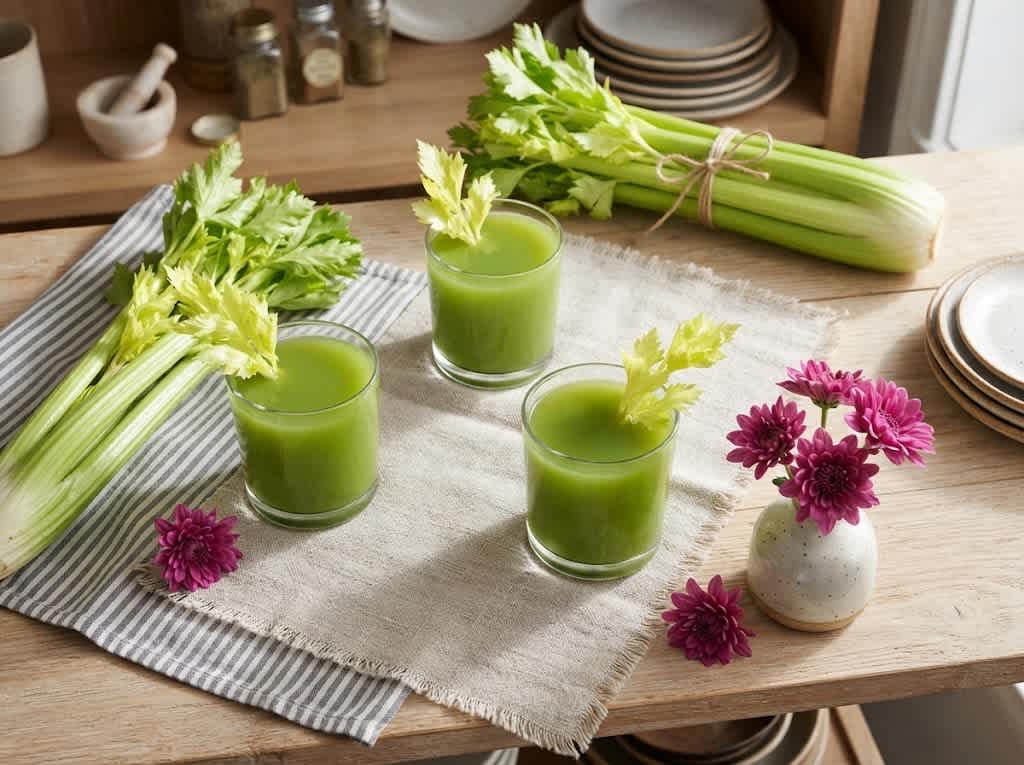
Fresh celery juice has a clean, green, slightly salty flavor with a mild vegetable taste. Its flavor can vary depending on the freshness and variety of celery used. Very fresh celery usually produces a crisp and refreshing juice, while older stalks may have a stronger or slightly bitter flavor. Because this recipe uses celery alone, there are no additional ingredients to cover or change its natural taste.
Some people enjoy the straightforward flavor of plain celery juice, while others prefer combining celery with ingredients such as ginger, lemon, parsley, or cilantro. Those additions can create different flavor combinations, but this particular recipe keeps the preparation simple by using only organic celery. If you are trying celery juice for the first time, starting with the basic version allows you to discover its natural flavor before experimenting with other combinations.
How to Make Celery Juice in a Juicer
Making celery juice with a juicer is one of the easiest methods. Begin by taking one bunch of organic celery and cutting off the base. This separates the individual stalks and makes them easier to clean and process. Wash the celery thoroughly under clean running water, paying attention to areas where dirt or debris may remain.
Once the stalks are clean, feed them through your juicer according to the instructions for your particular machine. The juicer will separate the liquid from most of the fibrous material, leaving you with fresh green celery juice. Pour the juice into a glass and drink it immediately for the freshest flavor. If you are preparing extra juice, transfer it to a clean, sealed mason jar and refrigerate it.
How to Make Celery Juice Without a Juicer
You can also make celery juice using a blender if you do not own a juicer. Wash the celery carefully, remove the base, and cut the stalks into smaller pieces that are easier for the blender to process. Place the prepared celery into the blender and process it until it becomes a smooth, pulpy mixture.
After blending, strain the mixture through a fine-mesh strainer or another suitable method to separate the liquid from the remaining celery fiber. Press or stir the pulp gently to extract as much liquid as possible. Pour the strained juice into a glass and enjoy it fresh. The blender method may take slightly longer than using a juicer, but it provides a practical way to prepare homemade celery juice without purchasing another appliance.

Preparing Celery Before Juicing
Cleaning celery properly is an important part of making fresh vegetable juice. Celery stalks can collect soil and other debris, especially around the base and ridged areas of the stalk. Separate the stalks before washing them so that you can clean each piece thoroughly. Rinse them under clean water and inspect them before placing them into your juicer or blender.
Organic celery is used in this recipe, but if organic celery is not available, conventional celery can also be used after careful washing. Removing the base before cleaning and processing makes the preparation easier. There is no need to add salt, sugar, water, or other ingredients to the basic recipe.
When to Drink Celery Juice
This celery juice recipe is designed to be enjoyed fresh first thing in the morning. Many people choose to drink it before breakfast because it is light and refreshing. The original preparation suggests waiting approximately 30 minutes before drinking anything else. This is a routine preference rather than a requirement for everyone, so you can adapt the timing to your own daily schedule.
For people who enjoy morning juice recipes, celery juice can fit easily into a simple breakfast routine. It can be prepared shortly after waking, served fresh, and followed by breakfast later. Because celery contains a large amount of water, the juice can also contribute to overall fluid intake. However, it should be considered a beverage rather than a replacement for a varied and balanced diet.
Potential Benefits of Celery Juice
Celery naturally contains water, fiber, vitamins, minerals, and plant compounds, which helps explain why celery has attracted attention as a healthy vegetable. Celery juice can provide nutrients from the vegetable while offering a convenient way to consume celery in liquid form. Its naturally light composition also makes it an appealing option for people who prefer vegetable-based drinks over heavier smoothies or sweet fruit juices.
The recipe’s nutrition information provides approximately 65 calories per serving, along with carbohydrates, fiber, protein, sodium, and a small amount of fat. Celery also contains naturally occurring electrolytes and water, contributing to its refreshing character. Although celery juice can be part of a nutritious eating pattern, it is important not to treat it as a cure or guaranteed solution for digestive, liver, inflammatory, or other health conditions.

Celery Juice and Hydration
One of the simplest reasons to enjoy celery juice is its high water content. Adequate hydration is essential for normal body functions, and beverages made from water-rich vegetables can contribute to daily fluid intake. A fresh glass of celery juice can therefore be a refreshing addition to a morning routine, particularly for people who find plain water less appealing.
Celery also naturally contains sodium and other minerals. The nutritional information provided with this recipe lists approximately 323.2 mg of sodium per serving. This is worth considering when planning your overall daily diet, particularly if you have been advised to monitor sodium intake. Celery juice can contribute to hydration, but it should not replace ordinary water or be viewed as a special hydration treatment.
Celery Juice and Digestion
Celery is often associated with digestive wellness because the whole vegetable contains fiber and a high percentage of water. However, juicing changes the structure of the vegetable and can reduce the amount of fiber that remains in the finished drink. The nutrition information for this recipe still lists fiber, but the exact amount can vary depending on the juicer, straining method, and serving size.
A balanced diet containing vegetables, fruits, whole grains, legumes, and other fiber-rich foods remains important for normal digestive health. Celery juice can be included as one small part of that pattern. People who notice that celery juice feels comfortable and refreshing may enjoy it regularly, while those who experience digestive discomfort should adjust their intake or discuss persistent symptoms with a qualified healthcare professional.
Can You Add Lemon, Ginger, or Herbs?
Plain celery juice is the simplest version of this recipe, but celery has a mild enough flavor to pair with several fresh ingredients. Lemon can add brightness, ginger can provide a warm and spicy note, while parsley and cilantro can create a stronger herbal flavor. These additions can make the drink more appealing if you find plain celery juice too strong or unfamiliar.
For this recipe, however, the ingredient list remains intentionally simple: one bunch of organic celery. The preparation notes mention that additional ingredients can be used, but the basic version is suggested as a standalone celery juice. Keeping it plain also makes it easier to identify the natural taste of celery and maintain the original one-ingredient approach.
How to Store Homemade Celery Juice
Fresh celery juice is best consumed immediately after preparation. If you need to prepare it ahead of time, pour the juice into a clean, sealed mason jar and keep it refrigerated. Limiting the amount of air in the container can help preserve its freshness. The recipe notes that you can prepare enough for approximately two days by using two bunches of celery.
Always use clean containers and refrigerate homemade juice rather than leaving it at room temperature for extended periods. Before drinking stored juice, check its smell, appearance, and overall freshness. If anything seems unusual or spoiled, discard it. For the best flavor and freshness, making only the amount you expect to drink soon is the simplest approach.
Choosing Fresh Celery
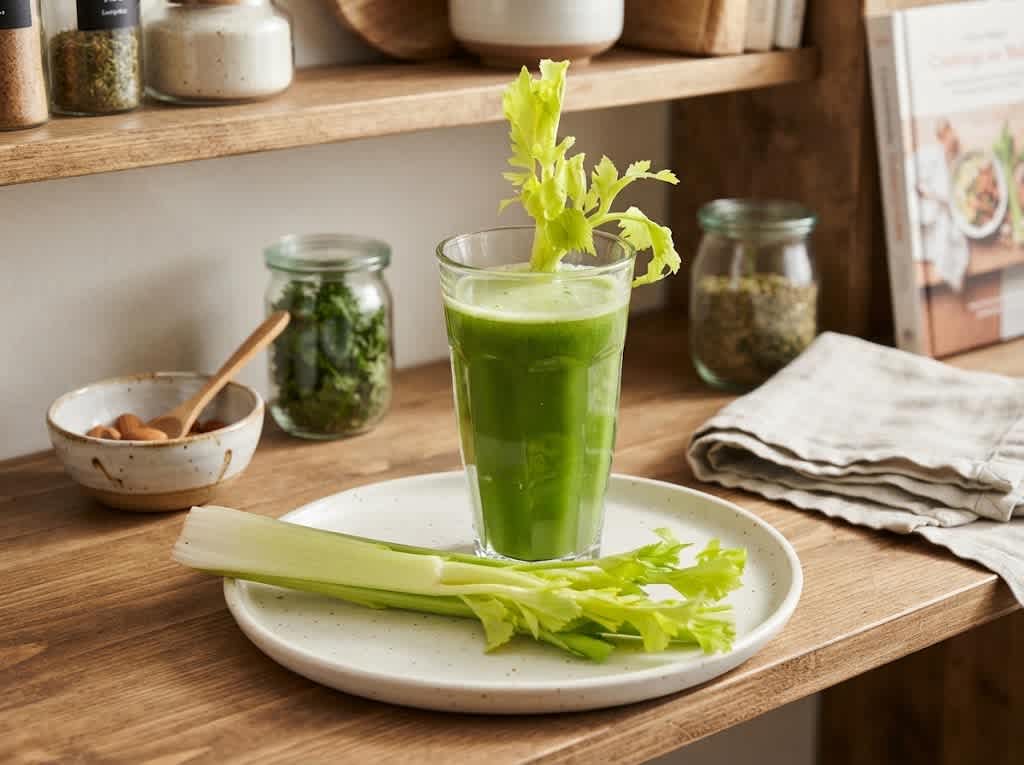
Fresh celery should have firm, crisp stalks with a fresh appearance. Avoid celery that looks excessively wilted, slimy, or damaged. Since this recipe relies entirely on celery, the quality of the main ingredient has a noticeable effect on the finished juice. Organic celery is specified in the recipe, although carefully washed conventional celery can be used when organic produce is unavailable.
When shopping, choose a bunch that feels firm and fresh rather than limp. Store celery properly in the refrigerator until you are ready to prepare the juice. Washing the stalks immediately before juicing helps keep the preparation process straightforward and allows you to remove visible dirt and debris.
Notes for Making Celery Juice
The most important preparation step is thorough washing. If you cannot find organic celery, the recipe notes that non-organic celery should be washed very well before juicing. Since celery is the only ingredient, careful preparation helps ensure that the finished drink is clean and pleasant to consume.
The recipe also suggests drinking the juice fresh first thing in the morning and waiting around 30 minutes before consuming anything else. This can be incorporated into your routine if it works comfortably for you, but it is not necessary to view this timing as a medical requirement. Likewise, adding lemon, ginger, parsley, or cilantro is an optional variation rather than part of the original ingredient list.
Frequently Asked Questions About Celery Juice
Can I make celery juice without a juicer?
Yes. Celery juice can be prepared with a blender by blending washed celery until smooth and then straining the mixture to separate the liquid from the pulp. A juicer is more convenient, but a blender provides a useful alternative for anyone who does not have a juicing machine.
How much celery do I need?
The original recipe uses one bunch of organic celery. If you want to prepare enough juice for approximately two days, the notes suggest using two bunches and storing the finished juice in sealed mason jars in the refrigerator.
Can I add other ingredients?
Yes, optional additions can include ginger, lemon, parsley, or cilantro. However, the original recipe recommends trying celery juice on its own. Keeping the recipe simple also preserves its naturally fresh celery flavor.
Should celery juice be refrigerated?
Yes. If you are not drinking the juice immediately, store it in a sealed mason jar in the refrigerator. Freshly prepared juice is generally best enjoyed soon after making it.

Celery Juice Recipe
A fresh, simple, and refreshing celery juice made with one bunch of organic celery. This easy homemade vegetable juice can be prepared using either a juicer or blender and is best enjoyed fresh.
1
servings15
minutes65
kcal15
minutesIngredients
1 bunch organic celery
Directions
- Take one bunch of organic celery and cut off the base to separate the individual stalks.
- Wash the celery thoroughly under clean water to remove dirt, debris, and any residue.
- If using a juicer, feed the cleaned celery stalks through the machine according to the manufacturer’s instructions.
- Collect the fresh celery juice in a clean glass.
- Drink the juice immediately for the freshest taste.
- If using a blender instead of a juicer, cut the washed celery into smaller pieces and blend until smooth.
- Strain the blended celery mixture to separate the juice from the pulp, then serve immediately.
- If preparing extra juice, place it in a sealed mason jar and store it in the refrigerator.
- The recipe notes that two bunches can be prepared to provide enough juice for approximately two days.
Notes
- If organic celery is unavailable, wash non-organic celery stalks very thoroughly before preparation.
- Optional additions such as ginger, lemon, parsley, or cilantro can be used, although the basic recipe uses celery alone.
- For the original preparation method, drink the celery juice fresh first thing in the morning and wait approximately 30 minutes before drinking anything else.
- Fresh celery juice is best consumed soon after preparation.
- Keep leftover juice refrigerated in a sealed mason jar.
Nutrition Facts
- Total number of serves: 1
- Calories: 65kcal
- Fat: 12g
- Carbohydrates: 12g
- Fiber: 6.5g
- Sugar: 5.4g
- Protein: 2.8g
