
Loaded Cauliflower is a comforting low-carb side dish made with tender cauliflower, creamy sour cream, melted cheddar cheese, butter, crispy bacon, fresh chives, and simple seasonings. It has the rich, savory character of loaded baked potatoes while keeping the carbohydrate count much lower.
The cauliflower is cooked until tender, blended into a smooth and fluffy mash, then finished with plenty of cheese, bacon, and herbs for a satisfying dish that works beautifully alongside grilled meat, roasted chicken, steak, or other keto-friendly meals.
Why Loaded Cauliflower Is So Popular on a Keto Diet
Cauliflower has become one of the most useful vegetables for low-carb cooking because its mild flavor and soft texture make it incredibly versatile. When cooked properly and processed until fluffy, cauliflower can create a texture remarkably similar to mashed potatoes.
That makes it a practical ingredient for anyone looking for keto comfort food without relying on starchy vegetables. This loaded cauliflower recipe takes that idea even further by combining the vegetable with classic baked-potato toppings for a rich and satisfying result.
The Flavor Combination Makes This Dish Special
The appeal of this recipe comes from the balance of creamy, salty, cheesy, and fresh flavors. Butter provides richness, while sour cream gives the cauliflower a smooth texture and a gentle tang. Cheddar cheese melts into the mash and adds a familiar savory flavor, while cooked crumbled bacon contributes a smoky, salty crunch. Fresh chives bring a light onion-like flavor that keeps the finished dish from feeling too heavy. Garlic powder, salt, and pepper complete the seasoning without overpowering the main ingredients.
Choosing Cauliflower for the Best Texture
Fresh cauliflower works particularly well for this recipe because it becomes tender quickly and has a naturally mild taste. When selecting cauliflower, look for a firm head with compact florets and no obvious dark or soft spots. The cauliflower should be thoroughly cooked before it goes into the food processor. Undercooked florets can produce a coarse mash, while properly tender cauliflower blends into a much smoother consistency. Since excess moisture is one of the biggest concerns when making cauliflower mash, cooking and draining the vegetable carefully is especially important.
How to Make Fluffy Cauliflower Mash
The cooking method has a major effect on the final texture. Instead of boiling the cauliflower in a large amount of water, this recipe uses microwave cooking with a small amount of water. The florets are placed in a microwave-safe bowl, covered, and cooked until completely tender. Once cooked, excess water should be drained away and the cauliflower allowed to sit uncovered briefly. This simple step gives steam and moisture a chance to escape, helping prevent watery cauliflower mash.
Why Removing Excess Moisture Matters
Cauliflower naturally contains a considerable amount of water, and that moisture becomes even more noticeable after cooking. If too much water remains, the finished mash can become thin, loose, or slightly soupy instead of thick and fluffy. Allowing the cooked cauliflower to sit uncovered helps release steam before blending. Draining it properly is equally important. If your cauliflower seems particularly wet after cooking, gently removing additional moisture before processing can make a noticeable difference in the finished consistency.
Blending the Cauliflower Until Smooth
Once the cauliflower has been cooked and drained, it is transferred to a food processor and processed until fluffy. Butter, garlic powder, and sour cream are then added to create the creamy texture associated with traditional mashed potatoes. The goal is not necessarily to make the cauliflower completely liquid or overly smooth. Instead, process it until it resembles the consistency of mashed potatoes. Stopping at the right point helps retain a pleasant, substantial texture while allowing the butter and sour cream to blend evenly throughout the mash.
Adding Cheddar Cheese for a Loaded Finish
Cheddar cheese transforms ordinary cauliflower mash into a much more indulgent side dish. Half of the grated cheddar is mixed directly into the warm cauliflower, allowing the cheese to soften and blend through the mash. The remaining cheese is reserved for the topping. This two-stage approach creates cheese throughout the cauliflower while also giving the surface a melted, golden, cheesy layer. For the best texture, freshly grated cheddar can be used, although the recipe itself simply calls for one cup of grated cheddar cheese.
Bacon and Chives Complete the Recipe
Bacon is one of the key ingredients that gives this low-carb cauliflower recipe its loaded-potato character. Two slices are cooked and crumbled before being scattered over the finished dish. The bacon adds a smoky and salty contrast to the creamy cauliflower. Chives provide another layer of flavor, with a mild freshness that complements both the cheddar and bacon. Most of the chives are incorporated into the mash, while some are saved for the top. This gives the dish both flavor inside and a fresh-looking garnish.
A Simple Low Carb Alternative to Potato Sides
Traditional mashed potatoes and loaded potato dishes rely heavily on potatoes, which contain considerably more carbohydrates than cauliflower. Replacing potatoes with cauliflower creates a vegetable-based alternative that fits naturally into many low-carb and keto meal plans. This recipe contains only 7.4 grams of carbohydrates per serving and 3 grams of fiber, with the original nutritional information listing 4.6 grams of net carbs per serving. That makes it an appealing option when you want a creamy side without making potatoes the centerpiece of the meal.
How to Serve Loaded Cauliflower
This loaded cauliflower is versatile enough to accompany many different main dishes. It pairs particularly well with steak, grilled chicken, roasted beef, pork, or other savory entrées. Because the flavor profile is rich and familiar, it can also take the place of mashed potatoes when serving a classic comfort-food dinner. A spoonful of the warm cauliflower mash alongside a protein creates a filling plate without requiring a traditional potato side. It can also be served as part of a larger low-carb dinner with additional vegetables.
Making the Recipe Ahead of Time
Loaded cauliflower can be prepared ahead when you want to reduce the amount of cooking needed before a meal. If the finished dish has been refrigerated, it is helpful to take some of the chill off before placing it in the oven for final warming. The original preparation recommends using the microwave at 50% power for a few minutes before finishing the reheating process in the oven and under the broiler. This approach can help warm the center without immediately exposing the surface to intense heat.
How to Reheat Loaded Cauliflower
Reheating cauliflower mash requires a little care because excessive heat can affect its texture. If reheating from the refrigerator, warm it gradually rather than using maximum microwave power for an extended period. Once the cauliflower is warmed through, the cheese topping can be finished under the broiler for a few minutes. Watch it closely while broiling because cheese can move from perfectly melted to overly browned quite quickly. The goal is a hot, creamy center with a melted cheese topping and crisp bacon scattered across the surface.
Can Loaded Cauliflower Be Frozen?
The original recipe notes that this dish can be frozen, with one important adjustment: sour cream should be replaced with cream cheese when preparing it for freezing. This is worth keeping in mind if you are planning to make a larger batch for future meals. Dairy-based mixtures can sometimes change texture after freezing and thawing, so preparing the dish with the recommended substitution can help make it more suitable for storage. For the best quality, cool the dish appropriately before freezing and reheat it gently when ready to serve.
Why This Recipe Works for Family Dinners
One of the strengths of loaded cauliflower is that it does not taste like a plain vegetable side. The combination of butter, sour cream, cheddar, bacon, and chives gives the cauliflower a familiar comfort-food quality. This can make it easier to serve cauliflower to people who are not enthusiastic about vegetables. Instead of focusing on the vegetable itself, the recipe uses a creamy mashed texture and classic savory toppings to create something that feels hearty and indulgent while still fitting into a low-carb meal.
Keeping the Seasoning Balanced
Because cheddar cheese, bacon, and butter can all contribute salt and savory flavor, seasoning should be adjusted carefully. The recipe calls for salt and pepper to taste, allowing you to control the final balance according to the ingredients you use. Garlic powder adds another savory note without introducing additional moisture. Fresh chives provide brightness and a mild onion flavor. Together, these ingredients create a balanced profile without requiring a long list of seasonings or complicated preparation techniques.
Making the Cauliflower Extra Creamy
For a particularly creamy texture, the most important factor is not adding large amounts of extra ingredients but properly cooking and draining the cauliflower. Once the vegetable is soft, the food processor can break it down quickly. Butter and sour cream then help create the smooth consistency associated with mashed potatoes. Avoid leaving the cooked cauliflower submerged in water or allowing excess liquid to remain in the bowl. A drier cooked cauliflower produces a thicker mash and gives the cheddar cheese a better opportunity to blend into the mixture.
A Convenient 20-Minute Keto Side Dish
With a preparation time of about 10 minutes and a cooking time of approximately 10 minutes, this recipe fits comfortably into a busy dinner schedule. The relatively short cooking time makes it useful for weeknight meals when you want something more substantial than a basic steamed vegetable. Since the cauliflower cooks quickly and the remaining ingredients require little preparation, most of the work involves blending, mixing, topping, and melting the cheese. The result is a warm, creamy side dish that can be ready in roughly 20 minutes.
What Makes It Different From Ordinary Cauliflower Mash
Plain cauliflower mash can be a useful low-carb replacement for mashed potatoes, but the loaded version offers a much richer eating experience. Rather than serving the vegetable with only butter or basic seasoning, this recipe incorporates sour cream, cheddar, bacon, and chives. The toppings give the dish layers of texture and flavor, while the creamy base keeps everything together. That combination makes it suitable not only as a practical keto side dish but also as a comfort-food recipe that can stand out at the dinner table.
Loaded Cauliflower as Keto Comfort Food
Following a keto or low-carb eating pattern does not mean giving up every creamy or comforting side dish. Recipes like this loaded cauliflower demonstrate how vegetables can be transformed into something satisfying with the right preparation and ingredients. The cauliflower provides the base, while butter, sour cream, cheddar cheese, bacon, and chives create the familiar loaded-potato experience. It is a simple example of how a few carefully chosen ingredients can turn an everyday vegetable into a memorable part of a meal.
Notes for the Best Results
For the fluffiest result, focus on moisture control from the beginning. Cook the cauliflower until completely tender, drain it thoroughly, and let it sit uncovered before processing. If conventional steaming is used instead of microwave cooking, the cauliflower may need additional draining to remove excess moisture. Add the butter, garlic powder, and sour cream while processing so the base becomes creamy and evenly seasoned. Reserve some chives, cheddar, and bacon for the topping so the finished dish has contrasting colors, textures, and flavors.
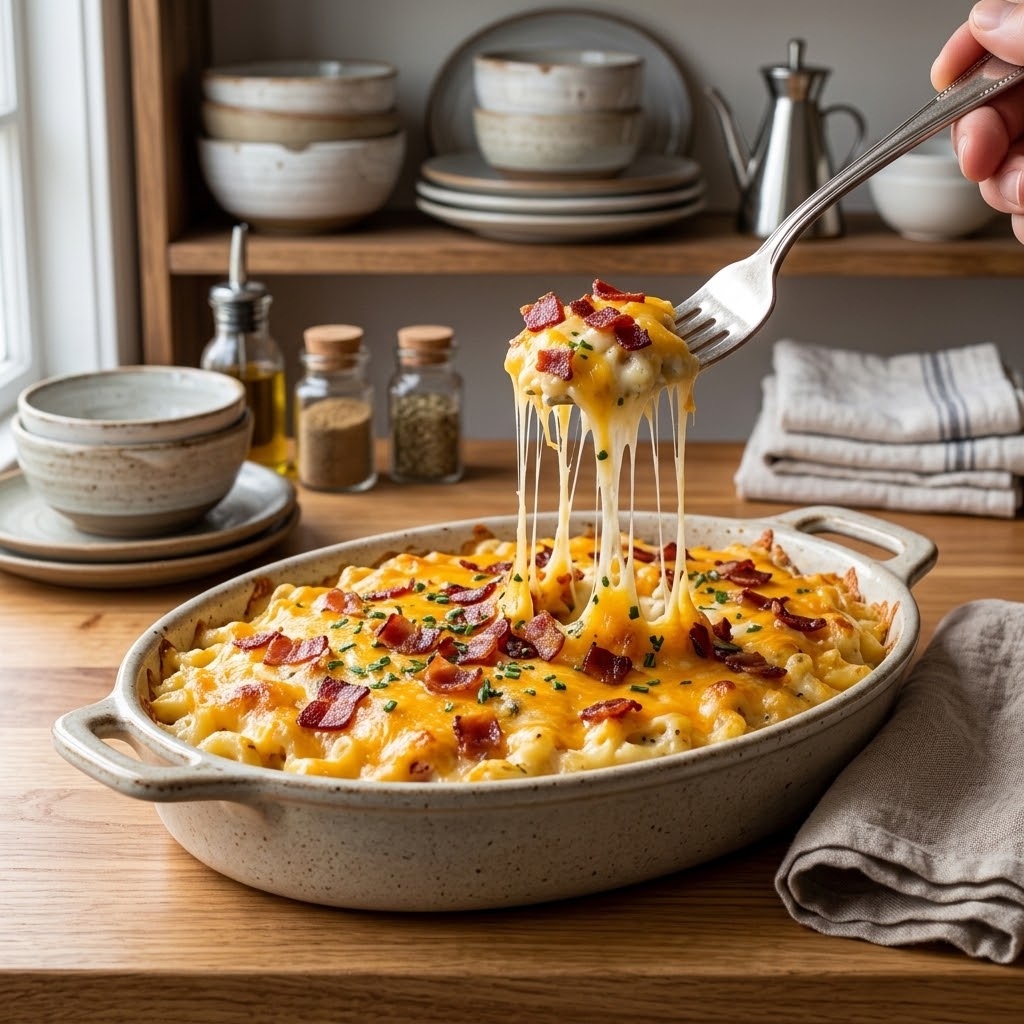
Loaded Cauliflower (Low Carb, Keto)
A creamy and cheesy loaded cauliflower side dish made with butter, sour cream, cheddar cheese, bacon, chives, and garlic powder. This keto-friendly cauliflower recipe delivers the comforting flavor of loaded potatoes while keeping the dish low in carbohydrates.
4
servings10
minutes10
minutes298
kcal20
minutesIngredients
1 pound cauliflower
4 ounces sour cream
1 cup grated cheddar cheese
2 slices bacon, cooked and crumbled
2 tablespoons chives, snipped
3 tablespoons butter
¼ teaspoon garlic powder
Salt and pepper, to taste
Directions
- Cut the cauliflower into florets and place the pieces in a microwave-safe bowl. Add 2 tablespoons of water, then cover the bowl with cling film. Microwave for 5–8 minutes, depending on your microwave, until the cauliflower is completely tender. Drain the excess water and leave the cauliflower uncovered for a minute or two so additional moisture can escape.
- Transfer the cooked cauliflower to a food processor and process until fluffy. Add the butter, garlic powder, and sour cream, then continue processing until the mixture reaches a mashed-potato-like consistency. Transfer the cauliflower mash to a bowl.
- Stir most of the snipped chives into the cauliflower, keeping a small amount aside for the topping. Add half of the grated cheddar cheese and mix thoroughly by hand. Season the mixture with salt and pepper according to taste.
- Spread or spoon the loaded cauliflower into a suitable serving dish. Sprinkle the remaining cheddar cheese over the top, followed by the reserved chives and cooked crumbled bacon.
- Return the dish to the microwave until the cheese has melted, or place it under the broiler for a few minutes until the cheese is melted and the topping is hot.
- Serve warm as a low-carb and keto-friendly side dish. The recipe serves 4 people and provides approximately 4.6g net carbs per serving according to the original recipe information.
Notes
- If preparing the loaded cauliflower ahead of time and refrigerating it, warm it gently in the microwave at 50% power for a few minutes to remove some of the chill before transferring it to the oven for further warming and finishing under the broiler. If you plan to freeze the dish, the original recipe recommends replacing the sour cream with cream cheese for better suitability for freezing.
Nutrition Facts
- Calories: 298kcal
- Fat: 24.6g
- Carbohydrates: 7.4g
- Fiber: 3g
- Sugar: 3.85g
- Protein: 11.6g
