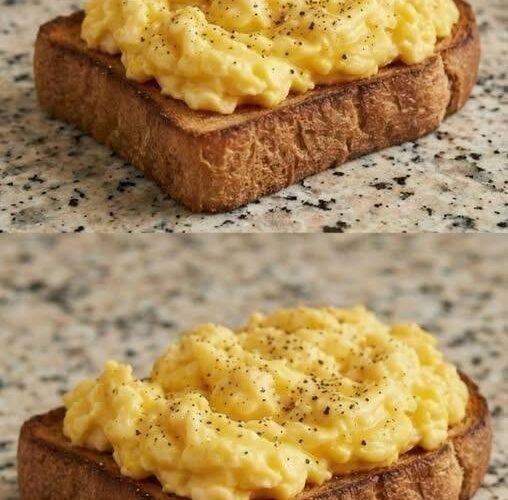
Soft and creamy scrambled eggs are one of the simplest comfort foods to prepare, yet achieving the perfect texture requires the right technique. While eggs only need a few ingredients, the cooking method determines whether they become tender and silky or dry and rubbery.
This home-style scrambled egg recipe focuses on gentle cooking, slow movement, and careful timing. The goal is to create beautiful soft folds that remain moist, creamy, and flavorful. Instead of cooking quickly over high heat, the eggs are prepared slowly over moderate heat, allowing them to form delicate curds while keeping their natural richness.
These scrambled eggs are perfect for breakfast, brunch, quick lunches, or a satisfying snack. Serve them over warm buttered toast, alongside fresh vegetables, or as part of a complete breakfast plate.
The secret is simple: low heat, gentle stirring, and removing the eggs at the right moment.
Why You’ll Love This Scrambled Eggs Recipe
This recipe creates eggs that are:
- Soft and creamy
- Light and fluffy
- Quick to prepare
- Made with simple ingredients
- Perfect for beginners
- Rich in protein
- Great for breakfast or brunch
- Easy to customize
- Ready in just minutes
Unlike dry scrambled eggs that become firm and crumbly, this method creates smooth, tender folds that melt in your mouth.
Recipe Details
Preparation Time: 2 minutes
Cooking Time: 2–3 minutes
Total Time: About 5 minutes
Difficulty Level: Easy
Servings: 2
Ingredients
Main Ingredients
- 4 large eggs
Eggs are the foundation of this recipe. Fresh eggs provide the best flavor, color, and texture.
- 2 tablespoons milk
Milk adds extra softness and creates a slightly richer texture. It is optional but recommended for creamy results.
- ¼ teaspoon salt
Salt enhances the natural egg flavor.
- Freshly ground black pepper, to taste
Pepper adds mild warmth and balances the richness.
- 1 tablespoon butter
Butter adds flavor and helps prevent sticking while creating a smooth cooking surface.
Optional Additions
You can customize your scrambled eggs with:
- Fresh herbs
- Chopped chives
- Grated cheese
- Spinach
- Mushrooms
- Tomatoes
- Smoked salmon
- Cooked vegetables
- Chili flakes
- Avocado slices
These additions can transform simple scrambled eggs into a complete meal.
Understanding the Ingredients
Eggs
Eggs contain natural proteins that change texture when heated.
Gentle cooking creates:
- Soft curds
- Creamy texture
- Moist finish
High heat causes proteins to tighten quickly, resulting in dry eggs.
Milk
A small amount of milk helps:
- Add moisture
- Create tenderness
- Improve softness
However, too much milk can make eggs watery.
The balance is important.
Butter
Butter provides:
- Rich flavor
- Smooth texture
- Better browning control
It also creates a protective layer between the eggs and the pan.
Salt
Adding salt before cooking allows the seasoning to spread evenly throughout the egg mixture.
This creates better flavor in every bite.
Choosing the Right Pan
The pan you use can make a big difference.
The best choices are:
- Non-stick skillet
- Well-seasoned cast iron pan
- Smooth stainless steel pan
A medium-sized skillet works best because it keeps the eggs together while allowing enough space for gentle folding.
Avoid very large pans because the eggs spread too thin and cook too quickly.
Step 1: Prepare the Egg Mixture
Crack the eggs into a medium mixing bowl.
Add:
- Milk
- Salt
- Black pepper
Whisk gently until everything is combined.
The mixture should have:
- Even yellow color
- No visible streaks of egg white
- Smooth consistency
Do not over-whisk.
The goal is to combine the ingredients, not create excessive air bubbles.
Step 2: Heat the Pan
Place the skillet over medium-low to medium heat.
Add butter.
Allow it to melt slowly.
The butter should:
- Melt completely
- Coat the bottom of the pan
- Stay pale in color
Avoid letting the butter brown because high heat can affect the delicate egg texture.
Step 3: Add the Eggs
Pour the egg mixture into the skillet.
Allow it to sit untouched for about 5 seconds.
This short resting period allows the bottom layer to begin setting.
Step 4: Create Soft Curds
Using a silicone spatula or wooden spoon:
- Push the cooked edges gently toward the center.
- Allow uncooked egg mixture to flow into empty spaces.
- Continue using slow movements around the pan.
Avoid rapid stirring.
The goal is to create:
- Large soft folds
- Creamy layers
- Tender curds
Fast stirring breaks the eggs into small dry pieces.
Step 5: Fold Instead of Stir
As the eggs begin to set, change from pushing to folding.
Lift the eggs gently and fold them over themselves.
This technique keeps moisture trapped inside.
Continue cooking until the eggs are:
- Mostly set
- Soft
- Slightly glossy
Step 6: Remove at the Perfect Time
One of the most important steps is knowing when to stop cooking.
Remove the pan from heat while the eggs still look slightly underdone.
Why?
Because the eggs continue cooking from:
- Remaining heat in the pan
- Heat stored inside the egg mixture
Waiting until they look completely finished often results in dry eggs.
Step 7: Final Rest and Serve
Give the eggs one or two gentle folds after removing them from heat.
Immediately transfer them to a plate.
Serve while warm.
The ideal scrambled egg should be:
- Creamy
- Soft
- Moist
- Light
- Tender
Serving Suggestions
Soft scrambled eggs pair beautifully with many foods.
Classic Breakfast
Serve with:
- Buttered toast
- Fresh fruit
- Coffee or tea
Healthy Breakfast Plate
Combine with:
- Avocado
- Tomatoes
- Spinach
- Whole-grain toast
Protein-Rich Meal
Add:
- Turkey slices
- Smoked salmon
- Greek yogurt
- Beans
Breakfast Sandwich
Place scrambled eggs inside:
- English muffins
- Bread rolls
- Tortillas
- Bagels
Add cheese or vegetables for extra flavor.
Flavor Variations
1. Cheesy Scrambled Eggs
Add:
- Cheddar cheese
- Mozzarella
- Parmesan
Add cheese during the final minute of cooking.
2. Herb Scrambled Eggs
Mix in:
- Chives
- Parsley
- Basil
- Dill
Fresh herbs add brightness.
3. Vegetable Scrambled Eggs
Add cooked:
- Mushrooms
- Spinach
- Peppers
- Onions
Cook vegetables separately before combining.
4. Spicy Scrambled Eggs
Add:
- Chili flakes
- Hot sauce
- Jalapeños
Perfect for those who enjoy extra flavor.
5. Creamy Restaurant-Style Eggs
Replace milk with:
- A small amount of cream
This creates an extra rich texture.
Common Mistakes to Avoid
1. Cooking Over High Heat
High temperatures cause:
- Dry texture
- Tough eggs
- Uneven cooking
Use moderate heat instead.
2. Stirring Too Quickly
Fast stirring creates tiny curds.
Slow movements create creamy folds.
3. Overcooking
Eggs continue cooking after leaving the pan.
Remove them slightly early.
4. Adding Too Much Milk
Too much liquid prevents proper texture.
A small amount is enough.
5. Using a Cold Plate
Cold plates cool eggs quickly.
Warm plates help maintain texture.
Storage Instructions
Scrambled eggs taste best immediately after cooking.
If leftovers remain:
- Cool completely.
- Place in an airtight container.
- Refrigerate for up to 1 day.
Reheating Instructions
Warm gently:
- In a skillet over low heat
- In short microwave intervals
Avoid overheating because the eggs can become rubbery.
Helpful Tips for Perfect Scrambled Eggs
- Use fresh eggs whenever possible.
- Cook over medium-low heat.
- Use butter for better flavor.
- Stir slowly.
- Fold instead of aggressively mixing.
- Remove eggs slightly early.
- Serve immediately.
- Use a non-stick pan for easier cooking.
- Keep seasoning simple.
- Avoid browning the eggs.
Approximate Nutrition Per Serving
Nutrition values may vary depending on ingredients.
Approximate:
- Calories: 365
- Protein: 18–22 g
- Fat: 28–32 g
- Carbohydrates: 4–6 g
- Sugar: 2–4 g
- Cholesterol: High due to eggs
Frequently Asked Questions
Can I make scrambled eggs without milk?
Yes. Eggs can be cooked without milk and will still become delicious when prepared gently.
Why are my scrambled eggs watery?
Too much liquid, high heat, or overcooking can cause watery eggs.
Should I add salt before or after cooking?
Adding salt before cooking helps distribute flavor evenly.
Can I use cream instead of milk?
Yes. Cream creates a richer and softer texture.
Why do restaurant eggs taste creamier?
Restaurants often use gentle heat, butter, and careful timing rather than fast cooking.
Final Thoughts
Soft and creamy scrambled eggs prove that simple ingredients can create an incredibly satisfying meal when prepared with care. The secret is not complicated equipment or special ingredients—it is patience, gentle heat, and proper timing.
By whisking the eggs smoothly, cooking them slowly, folding them carefully, and removing them before they become dry, you can create perfect scrambled eggs every time.
Whether served on warm buttered toast, paired with fresh vegetables, or enjoyed as part of a larger breakfast, these soft scrambled eggs are a timeless recipe that belongs in every kitc
