
These cottage cheese cookies are a simple way to make soft, chewy cookies with extra protein while using only a handful of ingredients. Made with creamy cottage cheese, almond flour, protein powder, maple syrup, coconut oil, vanilla, and chocolate chips, they offer a satisfying texture and a naturally sweet flavor.
The cottage cheese is blended until completely smooth, so the finished cookies do not have an obvious cottage cheese taste or texture. Each cookie provides about 8 grams of protein, making this recipe a useful choice for anyone looking for high-protein snacks, healthier desserts, or easy homemade cookies.
The combination of cottage cheese and protein powder gives these cookies their high-protein profile, while almond flour helps create a soft and tender texture. Unlike traditional chocolate chip cookies, this recipe does not use eggs or grain-based flour. The cookies are also gluten-free and grain-free when the individual ingredients used meet those dietary requirements. With maple syrup providing sweetness and chocolate chips adding classic chocolate flavor, the result is a cookie that feels familiar while offering a different nutritional balance from many standard cookie recipes.
One of the most useful features of this high-protein cookie recipe is its straightforward preparation. The cottage cheese, maple syrup, and vanilla are blended together first, creating a smooth base. The dry ingredients are combined separately, and then the wet mixture and melted coconut oil are stirred in. Chocolate chips are folded through the dough before the cookies are shaped and baked. There is no need for complicated equipment beyond a blender, a mixing bowl, and a baking sheet, making this an accessible recipe for everyday home baking.
Why Cottage Cheese Works in Cookies
A Smooth Texture Without a Strong Cottage Cheese Flavor
Cottage cheese may sound unusual in a cookie recipe, but it works especially well when blended until smooth. Blending changes the appearance of the cottage cheese and creates a creamy mixture that can be incorporated easily into the cookie dough. The finished cookies do not contain noticeable curds, and the other ingredients provide the dominant flavors. Vanilla, maple syrup, almond flour, protein powder, and chocolate chips all contribute to the final taste, helping create a soft chocolate chip cookie that does not immediately taste like a traditional cottage cheese recipe.
Cottage cheese also adds moisture to the dough. This moisture works with the almond flour and protein powder to produce a tender cookie rather than a dry or crumbly one. However, the amount of moisture can vary from one cottage cheese brand to another. Some products contain more liquid than others, which means the consistency of the dough may not always look exactly the same. This is why the texture of the dough should be checked before baking, especially when using a cottage cheese product that has not been tested with the recipe.
Extra Protein in Every Cookie
The cottage cheese and vanilla protein powder work together to increase the protein content of these cookies. Based on the stated nutrition information, each cookie contains approximately 8 grams of protein. This makes them a convenient option when you want a sweet snack that provides more protein than many ordinary cookies. They can be enjoyed as a dessert, an afternoon snack, or part of a quick snack plate with fruit and other foods.
Protein powder plays an important role beyond nutrition because it also affects the structure of the cookie dough. Different protein powders absorb moisture differently. Plant-based protein powder generally absorbs more moisture, which helps create a thicker dough in this particular recipe. This difference becomes especially important when comparing plant-based powders with whey protein powder, as whey can leave the mixture wetter. Measuring the protein powder carefully helps maintain the intended dough consistency and supports more reliable baking results.
What Makes These Cottage Cheese Cookies Different
A Seven-Ingredient Cookie Recipe
This recipe uses seven main ingredients, making it easy to prepare without a long shopping list. The ingredient combination is also focused and purposeful. Cottage cheese creates a creamy, protein-rich base, while maple syrup adds sweetness. Vanilla improves the overall flavor, almond flour provides structure, coconut oil contributes fat and texture, protein powder adds protein and absorbs moisture, and chocolate chips complete the cookies with a familiar chocolate flavor.
Because there are only a few ingredients, accurate measuring is especially important. Every ingredient contributes to the final consistency, and even a small change can affect how the cookies spread or bake. The almond flour and protein powder should be measured carefully, preferably by weight when possible. Using the listed gram measurements for these ingredients can help produce a dough that is closer to the intended texture and may reduce the risk of cookies that are too thin, too wet, or overly dense.
Naturally Sweetened With Maple Syrup
The sweetness in these low-sugar cottage cheese cookies comes from pure maple syrup and chocolate chips. The amount of maple syrup is moderate, giving the cookies sweetness without requiring a large quantity of refined sugar. The chocolate chips provide additional sweetness and chocolate flavor, creating a more traditional cookie experience. Since the exact sweetness of chocolate chips and protein powders can vary by brand, the final flavor may differ slightly depending on the products used.
Maple syrup also contributes liquid to the recipe, which is another reason ingredient balance matters. Adding extra liquid ingredients without adjusting the dry ingredients can make the dough spread more easily. The original measurements are designed to work together, so it is best to prepare the recipe as written before experimenting. If the dough is noticeably thinner than expected, the issue is more likely to be related to the moisture content of the cottage cheese or the absorbency of the protein powder than the basic preparation method.
How to Make Cottage Cheese Cookies
Prepare the Baking Sheet and Oven
Begin by heating the oven to 350°F and lining a baking sheet with parchment paper. Parchment paper helps prevent the cookies from sticking and makes cleanup easier. It also provides a consistent surface for the cookies to bake on. Preparing the oven before mixing the dough is helpful because the dough can go into the oven soon after it has been shaped.
Since these cookies do not depend on a long chilling period, the preparation process can move quickly from mixing to baking. Make sure the oven has had enough time to reach the correct temperature before placing the cookies inside. An oven that is still heating may affect the baking time and can lead to cookies that spread or bake unevenly.
Blend the Cottage Cheese Mixture
Place the cottage cheese, pure maple syrup, and vanilla into a blender. Blend the mixture on high speed until it becomes smooth and creamy. This step is important because it removes the curd-like texture of the cottage cheese and distributes the maple syrup and vanilla evenly throughout the mixture.
Take a moment to inspect the mixture before moving to the next step. It should look smooth rather than chunky. A smooth base will combine more evenly with the almond flour and protein powder, producing a more consistent cookie dough. If needed, scrape down the sides of the blender and continue blending briefly until the ingredients are fully incorporated.
Combine the Dry Ingredients
Add the almond flour and vanilla protein powder to a mixing bowl. Stir them together before adding the wet ingredients. This helps distribute the protein powder through the almond flour and reduces the chance of dry pockets remaining in the dough. Because these two ingredients strongly influence the thickness of the dough, careful measurement is particularly important.
Almond flour should be lightly packed according to the listed weight and measurement. Protein powder should also be measured accurately because different powders can have very different textures and densities. A plant-based vanilla protein powder is recommended for this recipe because it absorbs moisture effectively. If using a different type of powder, especially whey, expect the consistency of the dough to change.
Mix the Cookie Dough
Add the melted coconut oil and the smooth cottage cheese mixture to the bowl of dry ingredients. Stir everything together until the dough is evenly combined. The mixture should come together into a thick, scoopable dough. It may not behave exactly like traditional wheat-flour cookie dough, but it should still be easy to portion and shape.
After mixing, gently fold in the chocolate chips. Folding them in at the end helps distribute the chocolate throughout the dough without overworking the mixture. Save a few additional chocolate chips for the tops of the cookies if desired. These extra chips can improve the finished appearance and make the cookies look more like classic homemade chocolate chip cookies.
Shape the Cookies Before Baking
Use a medium cookie scoop to portion the dough onto the prepared baking sheet. Leave some space between the portions so they can bake evenly. These cookies should be flattened slightly before baking to create a recognizable cookie shape. You can press them gently with your hands, or roll each portion into a ball and flatten it for a more uniform appearance.
Add a few extra chocolate chips to the top of each cookie before baking. This step is optional but useful for presentation. Because the dough contains almond flour and has a different structure from a traditional butter-and-wheat-flour cookie dough, shaping the cookies before baking is important. Waiting for them to spread naturally may produce flatter cookies than intended.
Bake Until the Bottoms Are Golden
Bake the cookies for approximately 15 to 16 minutes, or until the bottoms are golden brown. Keep an eye on the cookies toward the end of the baking time because oven temperatures can vary. The goal is to bake them long enough for the cookies to set while preserving their soft and chewy texture.
When the cookies come out of the oven, allow them to rest on the baking sheet for a few minutes. They may still be delicate immediately after baking, so moving them too quickly can cause them to break. After they have firmed slightly, transfer them to wire cooling racks and allow them to cool completely. Cooling helps the structure settle and makes the texture easier to evaluate.
Why Your Cottage Cheese Cookie Dough May Be Runny
Different Protein Powders Can Change the Dough
A runny cookie dough is one of the most common issues when making protein-based baked goods. Protein powders are not interchangeable in terms of how they absorb liquid. Some plant-based powders absorb a substantial amount of moisture, while whey protein powder may produce a noticeably wetter dough. This recipe is designed around the use of vanilla plant-based protein powder, so changing the type of protein powder can significantly affect the results.
If you use whey protein powder and notice a thin dough, the excess moisture does not necessarily mean the recipe was mixed incorrectly. It may simply indicate that the protein powder is not absorbing as much liquid as the recommended type. For the most consistent results, use a plant-based protein powder and measure it carefully according to the listed amount.
Cottage Cheese Moisture Levels Also Matter
The cottage cheese itself can also influence the consistency of the dough. Some brands are thicker and creamier, while others contain more liquid. The recipe was tested using small-curd 4% milkfat cottage cheese, including whole milk options such as Good Culture and Trader Joe’s, but results may vary when another product is used.
If the dough still seems very liquid after all ingredients have been mixed, adding an additional 1/4 to 1/2 cup of almond flour can help absorb some of the excess moisture. Add it gradually rather than all at once, checking the consistency as you go. The recipe has also worked with 2 cups of almond flour and 1/4 cup of protein powder, but that variation should be considered only when needed to correct the dough consistency.
Storage and Freezing Instructions
These homemade cottage cheese cookies can be stored in an airtight container at room temperature for up to 3 days. Make sure the cookies have cooled completely before placing them in the container. Trapping heat inside the container can create excess moisture and may change the texture of the cookies.
For longer storage, keep the cookies in the refrigerator for about one week. Refrigeration can help preserve their freshness, especially because the recipe contains cottage cheese. If you prefer a longer storage option, the cookies can also be frozen for up to 3 months. Arrange them in a freezer-safe airtight container and thaw them in the refrigerator or at room temperature before eating.
Notes and Common Questions About the Recipe
Are These Cottage Cheese Cookies a Healthy Choice?
These cookies can fit into many balanced eating patterns because they provide protein and contain less sugar than some traditional cookie recipes. However, the word “healthy” can mean different things depending on individual dietary needs and goals. Each cookie provides approximately 124 calories, 8 grams of protein, and 6 grams of sugar according to the provided nutrition information. They are best viewed as a high-protein cookie option rather than a replacement for every type of cookie or snack.
What Type of Cottage Cheese Is Best?
A small-curd 4% milkfat cottage cheese is a suitable choice for this recipe. Whole milk cottage cheese was used in the original testing because it produced the desired consistency. Different brands can vary in thickness and moisture, so a thicker product may provide more predictable results. Blending the cottage cheese thoroughly is important regardless of the brand used.
Can the Cookies Be Made Nut-Free?
Almond flour is one of the main structural ingredients in this recipe, so replacing it would change the recipe rather than simply reformatting it. Since the original ingredient list is being maintained, these cookies are not presented as a nut-free recipe. Anyone with a nut allergy should avoid the recipe as written and consider an alternative recipe specifically developed and tested without almond flour.
Is There a Substitute for Cottage Cheese or a Dairy-Free Version?
Cottage cheese is a central ingredient and contributes both protein and moisture, so replacing it would require recipe testing and could alter the texture substantially. For the same reason, the recipe as written is not dairy-free. The ingredients and tested proportions should be kept unchanged for the most reliable results.
Can You Make the Cookies Without Protein Powder?
The protein powder contributes to both the nutritional content and the texture of the cookies. Removing it would affect moisture absorption and the structure of the dough. For this reason, making the recipe without protein powder would require a separate formulation rather than simply omitting one ingredient. The recipe is designed to work with all seven listed ingredients.
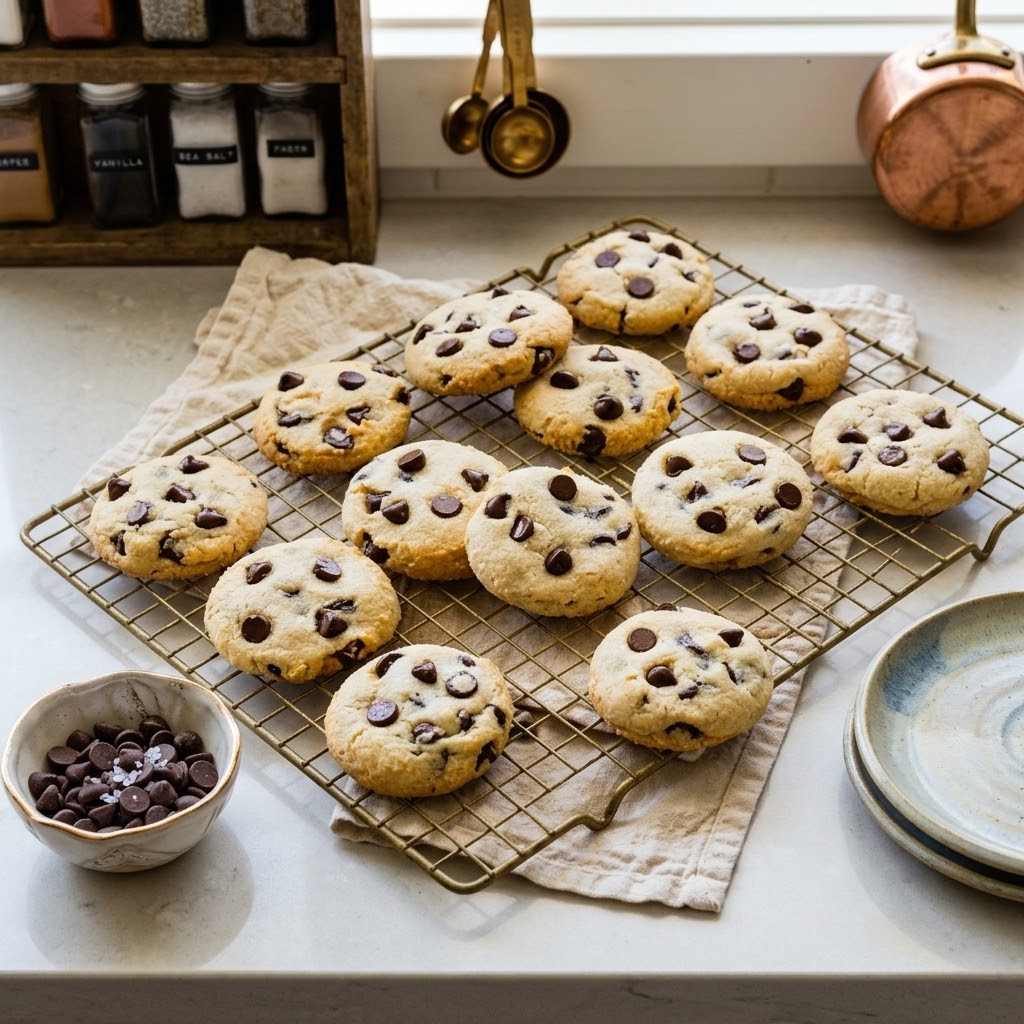
Cottage Cheese Cookie Recipe
Soft and chewy high-protein cottage cheese cookies made with seven ingredients.
15
servings10
minutes15
minutes124
kcal25
minutesIngredients
1 cup 4% milkfat cottage cheese, using whole milk Good Culture cottage cheese
¼ cup pure maple syrup
1 teaspoon vanilla
1 cup (106 grams) lightly packed almond flour
2 Tablespoons melted coconut oil
½ cup (53 grams) vanilla protein powder, preferably plant-based
½ cup chocolate chips, plus additional chocolate chips for topping
Directions
- Preheat the oven to 350°F and line a baking sheet with parchment paper.
- Add the cottage cheese, pure maple syrup, and vanilla to a blender. Blend on high speed until the mixture is completely smooth.
- In a separate mixing bowl, combine the almond flour and vanilla protein powder.
- Pour the melted coconut oil and blended cottage cheese mixture into the bowl with the dry ingredients. Stir until a dough forms.
- Fold the chocolate chips gently through the dough until evenly distributed.
- Use a medium cookie scoop to place portions of dough onto the prepared baking sheet. Flatten each portion slightly with your hands to create a cookie shape. For a more even appearance, roll each portion into a ball first and then gently flatten it.
- Press a few additional chocolate chips onto the top of each cookie if desired.
- Bake for about 15 to 16 minutes, or until the bottoms of the cookies are golden brown.
- Allow the cookies to cool on the baking sheet for several minutes before transferring them to wire cooling racks.
- Cool completely before serving or storing.
Notes
- Measuring: For the most consistent results, measure the almond flour and protein powder with a food scale. The listed gram measurements help maintain the correct balance between the wet and dry ingredients.
- Protein Powder: A plant-based protein powder is recommended because it absorbs more moisture than many other types of protein powder. Whey protein powder may result in a wetter dough.
- Dough Consistency: If the dough appears unusually runny, the cottage cheese may contain extra liquid or the protein powder may not be sufficiently absorbent. Gradually adding an additional 1/4 to 1/2 cup of almond flour may help correct the consistency.
- Storage: Store the completely cooled cookies in an airtight container at room temperature for up to 3 days or in the refrigerator for about one week. For longer storage, freeze for up to 3 months and thaw before serving.
Nutrition Facts
- Calories: 124kcal
- Fat: 8g
- Carbohydrates: 9g
- Fiber: 2g
- Sugar: 6g
- Protein: 8g
