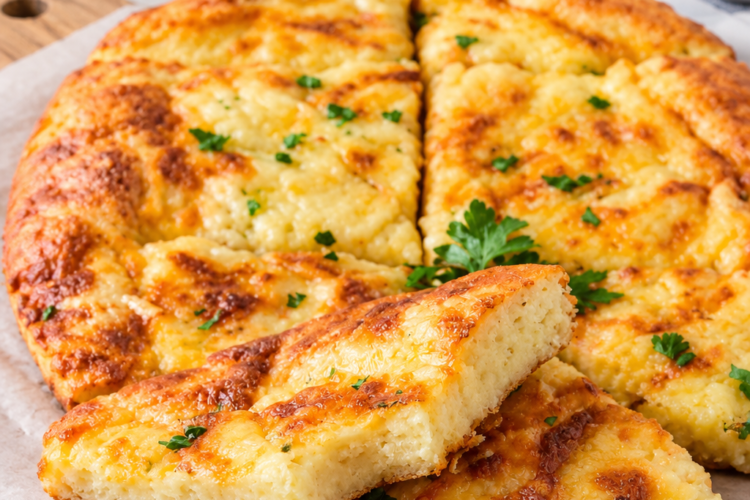
Flourless keto cheese bread is a delicious option for anyone looking for a low-carb bread alternative without traditional wheat flour. Made with almond flour, mozzarella cheese, cream cheese, and eggs, this easy homemade cheese bread delivers a soft texture, a cheesy center, and a golden topping that makes every bite satisfying.
It is prepared without yeast, so there is no need to wait for the dough to rise before baking. With simple ingredients and a short cooking time, this recipe is ideal for busy days when you want something warm and homemade.
This keto cheese bread recipe is especially appealing to people following a ketogenic or low-carb eating plan. Traditional breadsticks and cheese bread are usually prepared with wheat flour, which contributes a significant amount of carbohydrates. This version uses almond flour as the base, creating a different texture while keeping the carbohydrate content relatively low. The combination of mozzarella and cream cheese helps the dough hold together, while eggs provide structure and baking powder gives the bread a little lift during baking.
One of the best things about this flourless-style keto bread is its versatility. You can serve it as an appetizer, enjoy it as a savory snack, or pair it with your favorite soup, salad, or low-carb dinner. The melted mozzarella topping provides a stretchy, cheesy finish, while Parmesan adds a deeper savory flavor and helps the surface develop a beautiful golden color. Fresh herbs sprinkled over the top give the finished bread a pleasant aroma and a fresh appearance.
Why You Will Love This Keto Cheese Bread
A Quick and Easy Low-Carb Recipe
Homemade keto cheese bread is a practical choice when you want a freshly baked snack without spending hours in the kitchen. Because the recipe does not require yeast, proofing, or a long resting period, you can move directly from preparing the dough to baking. The ingredients come together quickly, and the oven does most of the remaining work. With approximately 10 minutes of preparation and 12 minutes of baking, you can have warm, cheesy bread ready in around 22 minutes.
This short preparation time makes the recipe suitable for weekday lunches, evening snacks, family gatherings, and last-minute appetizers. You do not need complicated equipment or specialist baking skills to get started. A food processor, microwave-safe bowl, parchment-lined baking tray, and rolling surface are enough to help you prepare the dough and shape the bread. Once you have made it a few times, the process becomes even easier.
Rich Cheese Flavor in Every Bite
The combination of mozzarella and cream cheese gives this bread its distinctive texture and flavor. Mozzarella melts smoothly and helps create a pliable dough, while cream cheese adds richness and moisture. Once baked, the cheese mixture produces a soft interior that contrasts nicely with the lightly browned topping. Adding more mozzarella and freshly grated Parmesan before baking creates an appealing layer of melted cheese that makes this recipe especially satisfying for cheese lovers.
The topping also helps turn a simple almond flour dough into something that feels closer to restaurant-style cheesy bread. Parmesan brings a stronger, slightly salty flavor that balances the mild mozzarella. When the bread comes out of the oven, the melted cheese is deliciously soft, and the edges have a lightly toasted appearance. A sprinkle of chopped fresh herbs finishes the dish and adds color without complicating the preparation.
Suitable for Keto and Low-Carb Meal Plans
Almond flour is a popular ingredient in keto baking because it contains fewer digestible carbohydrates than conventional wheat flour. In this recipe, it replaces regular flour and works alongside eggs and cheese to form a sturdy, savory dough. The result is a bread alternative that can fit into many low-carb meal plans when portions are considered as part of your overall daily carbohydrate intake.
According to the supplied nutritional information, one serving contains approximately 4 grams of total carbohydrates and 3 grams of net carbohydrates. These values make the recipe an option for people who monitor their carbohydrate intake. However, nutritional needs differ, and the exact figures may vary depending on the brands of almond flour and cheese you use, the quantity of topping distributed across the bread, and the final serving size.
What Makes Flourless Keto Cheese Bread Different?
Understanding the Almond Flour Dough
Almond flour gives this recipe its flourless-style character, meaning it is made without traditional grain-based flour. It is important to understand that the bread is not literally free of all flour because almond flour is still a type of flour. Instead, it is a wheat-flour-free alternative that works well for many low-carb baking recipes. Blanched almond flour is especially useful because its fine texture helps create a more even dough and a tender finished crumb.
The dough behaves differently from ordinary bread dough. Traditional wheat bread relies on gluten to create elasticity and structure, whereas this recipe depends on melted cheese, eggs, and almond flour. The mozzarella gives the dough flexibility while warm, and the eggs help bind the ingredients together as they bake. Since almond flour does not develop gluten, the finished bread will not have exactly the same texture as a traditional loaf, but it can still provide a soft, cheesy, and enjoyable alternative.
Why Mozzarella Is Important
Low-moisture mozzarella is the preferred choice for this keto cheese bread because it melts well without releasing as much moisture as fresh mozzarella. This helps the dough remain manageable and gives it the stretchy quality that makes cheese-based doughs useful in low-carb baking. Its mild flavor also allows the Parmesan topping and other seasonings you may add to stand out without overwhelming the finished bread.
Using a different cheese in the dough can change the consistency significantly. Cheddar and Monterey Jack, for example, may produce a denser or less pliable mixture than mozzarella. For the most predictable result, use the specified mozzarella in the dough and save the additional mozzarella and Parmesan for the topping. This keeps the recipe close to its intended texture and helps the bread bake more evenly.
The Role of Cream Cheese and Eggs
Cream cheese contributes richness and helps the melted mozzarella form a workable mixture. Full-fat cream cheese is recommended because reduced-fat versions may contain more moisture and can behave differently when heated. Allowing the cream cheese to soften before mixing makes it easier to combine with the mozzarella and reduces the chance of small lumps remaining in the dough.
Eggs provide additional binding and structure. They help the almond flour and melted cheeses come together into a dough that can be rolled and baked. Using room-temperature eggs can make the mixing process easier, particularly when working with warm cheese. However, the cheese mixture should be handled carefully so that it is warm and pliable rather than excessively hot when the eggs are added.
Ingredients for Keto Cheese Bread
Main Dough Ingredients
The dough uses five main ingredients: almond flour, baking powder, mozzarella cheese, cream cheese, and eggs. Each ingredient has a particular role in creating the final texture. Almond flour supplies the base, mozzarella creates flexibility, cream cheese contributes richness, eggs bind the mixture, and baking powder provides a small amount of lift during baking. Together, they produce a simple dough that does not need yeast or a rising period.
For the best results, measure the almond flour carefully rather than packing it tightly into the measuring cup. Too much almond flour can make the dough dry and difficult to roll, while too little may leave it overly sticky. Shredded low-moisture mozzarella is convenient because it melts relatively quickly, although freshly shredded cheese can also be used if it has a suitable moisture level.
Cheesy Topping
The topping combines one cup of mozzarella cheese with half a cup of freshly grated Parmesan cheese. This mixture adds a generous layer of savory flavor and creates the golden finish that makes the bread look appetizing when it comes out of the oven. Mozzarella provides the familiar melted cheese texture, while Parmesan adds a more concentrated flavor and helps the surface brown.
The topping should be spread evenly over the dough, leaving a narrow border around the outside. This uncovered edge helps the bread develop a defined shape and prevents the topping from spilling too far over the sides. The supplied recipe also includes cilantro for serving, although the preparation directions mention parsley. To keep the ingredient list unchanged, use the listed cilantro as the finishing herb.
How to Make Flourless Keto Cheese Bread
Step 1: Prepare the Oven and Baking Tray
Begin by preheating your oven to 400°F (200°C). Line a large baking tray with parchment paper so the cheese bread can bake without sticking to the surface. Parchment paper also makes it easier to move the dough onto the tray after rolling. Preparing the tray before mixing the dough is helpful because the cheese mixture becomes easier to handle while it is still warm and flexible.
Measure the almond flour and baking powder into a small bowl and whisk them together until evenly combined. This step distributes the baking powder throughout the flour, helping the bread bake more consistently. Having the dry ingredients ready before melting the cheese also makes the mixing process faster and prevents the warm cheese mixture from cooling too much while you prepare the remaining ingredients.
Step 2: Melt the Mozzarella and Cream Cheese
Place the three cups of mozzarella cheese and the softened cream cheese in a microwave-safe bowl. Heat the mixture in short bursts of approximately 20 seconds, stirring between each interval. Continue until the cheese is warm, melted, and easy to combine. Short heating intervals are preferable to one long heating period because cheese can become excessively hot or begin to separate if overheated.
Once the cheese has melted, stir it until the mixture looks as smooth as possible. Some slight differences in texture may occur depending on the cheese brand, but the mixture should be pliable enough to incorporate into the dough. If it begins to firm up before you finish mixing, a brief additional heating interval may help restore its flexibility. Avoid overheating it, especially before adding the eggs.
Step 3: Mix the Keto Dough
Transfer the warm cheese mixture to a food processor fitted with a dough blade or suitable mixing attachment. Add the two eggs and the prepared almond flour mixture. Process the ingredients until they form a uniform dough. Depending on your equipment, you may need to stop once or twice to scrape down the sides and ensure that the ingredients are evenly incorporated.
The finished dough should be soft and workable, although it may feel stickier than conventional bread dough. That is normal for a dough made with melted cheese and almond flour. If the mixture is difficult to handle, lightly oil your hands before shaping it. Try not to add extra almond flour unless absolutely necessary, because changing the ingredient quantities can affect the texture of the finished bread.
Step 4: Roll and Shape the Bread
Place the dough between two sheets of parchment paper. Use a rolling pin to roll it into a large oval, aiming for an approximately 10-inch shape if that suits your baking tray. Rolling between parchment sheets helps prevent sticking and makes it easier to achieve an even thickness without using additional flour on the work surface.
Carefully remove the top sheet of parchment paper. Leave the dough on the bottom sheet and transfer it to the prepared baking tray if you have not already done so. Smooth any uneven edges gently with your fingers or a spatula. Keeping the dough at a reasonably even thickness helps it bake at the same rate, reducing the chance of thin edges becoming too brown before the center is cooked.
Step 5: Add the Cheese Topping
Sprinkle the remaining mozzarella evenly across the surface of the shaped dough. Follow with the freshly grated Parmesan, distributing it so that each portion receives a good amount of cheese. Leave approximately half an inch around the edge without topping. This creates a small border that becomes lightly golden in the oven and makes the bread easier to cut into individual pieces.
At this stage, you can also consider simple variations if you enjoy experimenting with savory flavors. Italian seasoning, sliced olives, mushrooms, or pepperoni can be added as optional toppings. These additions are not part of the original ingredient list, so leave them out if you want to follow the supplied recipe exactly. Keeping the topping balanced is important because too many extras can make the dough harder to bake evenly.
Step 6: Bake Until Golden
Place the tray in the preheated oven and bake the cheese bread for 10–12 minutes. Watch for melted cheese, lightly browned edges, and a surface that looks set rather than wet. Oven performance can vary, so begin checking near the lower end of the recommended cooking time. The bread should have a golden appearance without becoming excessively dark or dry around the edges.
When baking is complete, remove the tray carefully and allow the bread to rest briefly before cutting. The cheese topping will be very hot immediately after baking, and a short resting period helps the bread become easier to handle. Avoid leaving it on the hot tray for too long if you want to serve it while the cheese is still soft and pleasantly stretchy.
Step 7: Slice and Serve
Use a pizza cutter or a sharp knife to slice the warm bread into portions. The original recipe yields 16 servings, so you can cut the oval into smaller strips or pieces according to your serving preference. Sprinkle the listed cilantro over the top before serving. If you prefer the parsley mentioned in the preparation notes, that is a possible alternative, but cilantro is the herb specified in the ingredient list.
Serve the bread while it is warm for the best melted-cheese texture. It can be enjoyed on its own or with a suitable dipping sauce. Marinara sauce is a popular pairing for cheesy breadsticks, while Alfredo sauce, cheese sauce, salsa, or guacamole can offer different flavors. If you are following a strict ketogenic diet, check the carbohydrate content of your chosen dip before serving.
Expert Tips for the Best Results
Make Sticky Dough Easier to Handle
Cheese-based keto dough can be sticky, especially when it is warm. Lightly oiling your hands before handling it can make kneading and shaping much easier. Rolling the dough between parchment sheets is another useful technique because it minimizes direct contact with the dough and reduces the need for extra flour. If the dough feels too soft to shape, allow it to cool briefly before continuing.
Choose the Right Mozzarella
Low-moisture mozzarella is the best option for this recipe because it generally produces a more manageable dough than fresh mozzarella. Fresh mozzarella contains more water, which can make the mixture softer and harder to work with. The recipe specifically calls for low-moisture shredded mozzarella in the dough, so using that variety helps maintain the intended consistency and makes the baking process more predictable.
Use a Food Processor Carefully
A food processor fitted with a dough blade can help bring the ingredients together smoothly. If your appliance does not have a dough blade, use an attachment suitable for mixing thick dough and follow the manufacturer’s instructions. Avoid running the machine longer than necessary, since the goal is to combine the ingredients rather than heat them further. If the mixture gathers unevenly, stop the machine and scrape down the sides before processing again.
Watch the Baking Time
Because the dough contains cheese and almond flour rather than traditional wheat flour, it may brown differently from ordinary bread. Start checking after approximately 10 minutes and remove the tray once the cheese topping is melted and the edges are golden. Leaving the bread in the oven too long can make it dry or overly firm as it cools. The exact time will depend on your oven and the thickness of the shaped dough.
Delicious Ways to Serve Keto Cheese Bread
Pair It With Low-Carb Dips
Marinara sauce is a classic companion for cheesy bread, adding a tomato-based flavor that balances the richness of mozzarella and Parmesan. If you choose a store-bought marinara sauce, check the nutrition label because some varieties contain added sugar. A homemade low-carb tomato sauce can also work well, especially when seasoned with garlic, herbs, and black pepper.
For a creamier option, serve the bread with Alfredo sauce or a cheese-based dip. Guacamole offers a different contrast, bringing a fresh and creamy texture to the warm bread. Salsa is another choice if you prefer a little acidity and spice. Serve dips in small bowls alongside the bread so everyone can choose their preferred flavor without making the bread soggy before eating.
Serve With Soups and Salads
Keto cheese bread can also accompany a bowl of homemade soup. It works particularly well with creamy vegetable soup, tomato soup, or a simple chicken soup because its savory cheese flavor complements warm, comforting dishes. For a low-carb meal, pair it with a soup made from suitable vegetables, broth, and protein sources while keeping the overall carbohydrate content in mind.
A fresh salad provides another easy serving option. Leafy greens, cucumber, tomatoes in measured portions, olives, and a simple olive oil dressing can balance the richness of the bread. You can serve the cheese bread as an appetizer before dinner or include a portion alongside a protein-based main dish. Since this recipe is relatively rich in fat, serving sizes can help you balance the meal to suit your needs.
Turn It Into a Party Appetizer
Cutting the baked bread into narrow strips or small squares makes it convenient for sharing. Arrange the pieces on a platter with dipping sauces for a casual gathering, game-day snack, or family meal. The golden cheese topping gives the bread an inviting appearance, while the soft interior makes it easy to enjoy without utensils. For the best presentation, slice the bread shortly before serving.
If you are preparing several dishes for guests, you can bake the cheese bread shortly before everyone arrives and keep it warm for a brief period. Avoid covering it tightly while it is piping hot, as trapped steam can soften the edges. For longer storage, cool the bread and refrigerate it in an airtight container, then reheat individual portions when you are ready to serve.
Storage, Freezing, and Reheating Instructions
How to Store Leftover Cheese Bread
Allow leftover keto cheese bread to cool before placing it in a suitable airtight container. Store it in the refrigerator for up to five days, as specified in the supplied recipe. Keeping the bread covered helps limit exposure to air, which can dry out the almond flour dough and make it firmer over time. Avoid leaving large air gaps in the container when practical, and use a container that fits the remaining portions reasonably well.
For the best texture, store the bread in portions that are easy to remove and reheat. If moisture collects inside the container, make sure the bread has cooled adequately before storing it next time. Always inspect leftovers before eating and discard them if you notice an unusual smell, visible mold, or other signs of spoilage. Refrigeration can preserve the bread, but it cannot guarantee that it will remain safe indefinitely.
Can You Freeze Keto Cheese Bread?
Yes, this cheese bread can be frozen for longer storage. Once the bread has cooled completely, divide it into individual portions and place the slices in a freezer-safe zip-top bag. Remove as much excess air as possible before sealing the bag to help protect the bread from freezer burn. Label the bag with the date so you can keep track of how long it has been stored.
The supplied recipe recommends freezing the bread for up to six months. For the best quality, use well-sealed packaging and avoid repeatedly thawing and refreezing the same batch. You can separate portions with small pieces of parchment paper if you want to remove only a few slices at a time. Thaw the amount you plan to eat and reheat it until the cheese is warm and melted.
Best Ways to Reheat Leftovers
For a quick snack, place a portion in the microwave and heat it for approximately 20–30 seconds. The exact time depends on the size of the piece and the power of your microwave. Check the texture and add a short interval if needed. Microwave heating is convenient, although the bread may become softer than it was immediately after baking.
For a firmer exterior, reheat the bread in a preheated oven at approximately 350°F (175°C) for about five minutes, checking until the cheese is melted and the bread is heated through. The original instructions give five minutes as a guide, but cold or frozen portions may require additional time. Avoid overheating the bread, because the cheese can become oily and the almond flour base may dry out.
Frequently Asked Questions About Keto Cheese Bread
Is This Recipe Completely Flourless?
The recipe contains no traditional wheat flour, but it does use almond flour. Therefore, it is more accurately described as wheat-flour-free keto cheese bread rather than bread made without any flour whatsoever. Almond flour is used in many low-carb recipes because it can replace grain-based flour while keeping the carbohydrate content lower. If you have a tree nut allergy, this recipe is not suitable as written.
Is Keto Cheese Bread Gluten-Free?
The listed ingredients do not include wheat flour or another obvious gluten-containing grain ingredient, so the recipe can be prepared as a gluten-free option when all ingredients are verified to be gluten-free. Check the packaging of baking powder, shredded cheese, and any optional toppings if you need to avoid gluten strictly. Cross-contact during manufacturing or preparation can also matter for people with celiac disease or significant gluten sensitivity.
Can I Replace Mozzarella With Cheddar?
Mozzarella is important to the dough because it melts into a pliable mixture that can be combined with the almond flour and eggs. Cheddar has a different fat and moisture profile and may create a denser dough that is harder to shape. The supplied recipe notes that cheddar and Monterey Jack did not produce the same fluffy result during testing. For the closest match, keep mozzarella in the dough and use Parmesan as part of the topping.
Why Is My Keto Cheese Bread Sticky?
A sticky texture can occur when the cheese mixture is warm or when the dough contains more moisture than expected. This does not necessarily mean that the recipe has failed. Lightly oil your hands and use parchment paper to make shaping easier. Also check that you are using low-moisture mozzarella and softened full-fat cream cheese, as specified. If the mixture is extremely hot, let it cool briefly before handling it.
What Is the Best Sauce to Serve With This Bread?
Marinara sauce is a natural choice because its tomato flavor pairs well with the melted cheese. Alfredo sauce, cheese sauce, salsa, and guacamole are other options mentioned in the supplied recipe. Choose a dip based on your preferences and dietary needs. For a keto-friendly meal, look for sauces with minimal added sugar and check the carbohydrate information so the serving fits your daily target.
How Many Servings Does the Recipe Make?
The supplied recipe makes 16 servings. The precise size of each serving depends on how you shape and cut the dough. Cutting the bread into 16 similar pieces makes the provided nutritional estimate easier to use. If you divide it into fewer, larger pieces, each portion will contain a greater share of the total calories, fat, protein, and carbohydrates.
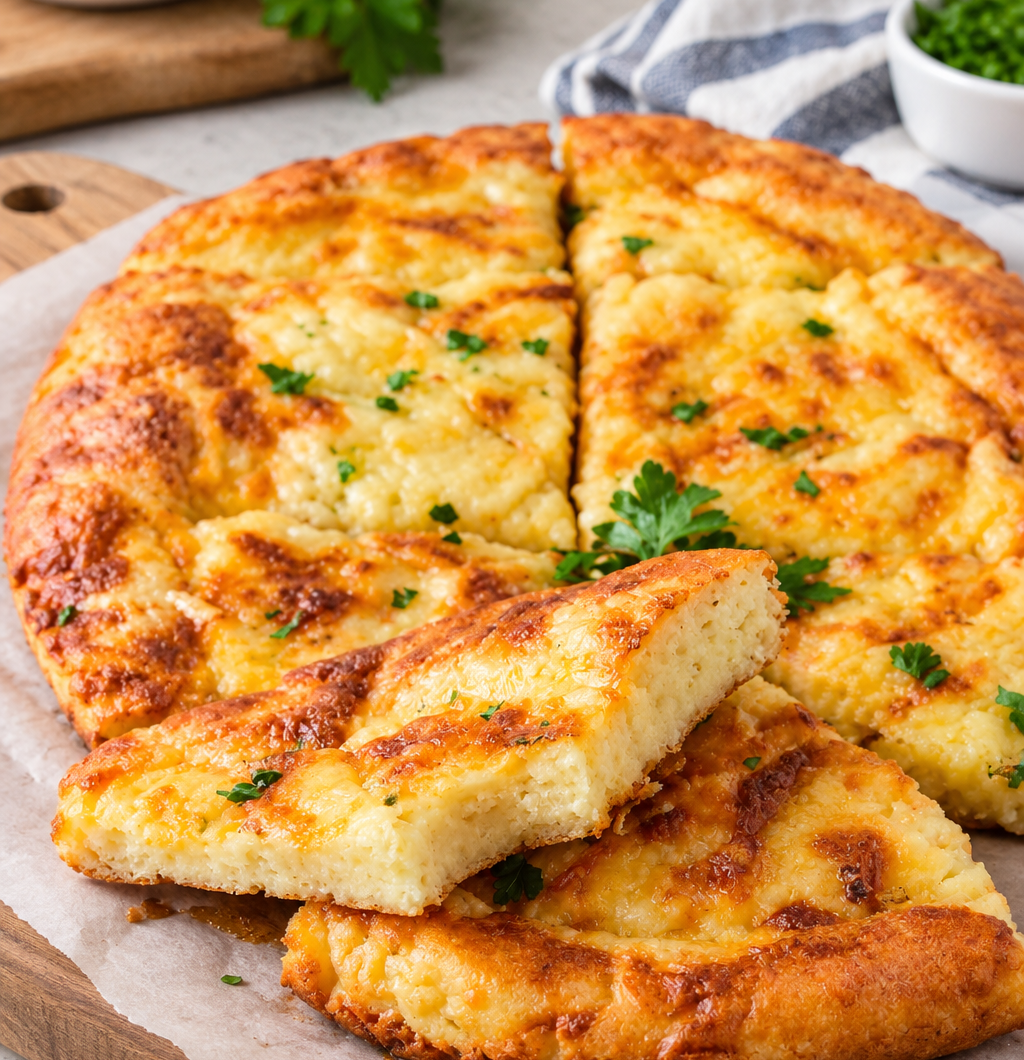
Flourless Keto Cheese Bread Recipe
16
servings10
minutes12
minutes192
kcal22
minutesIngredients
- For the dough
2 cups almond flour
1 tablespoon baking powder
3 cups low-moisture mozzarella cheese, shredded
2 ounces cream cheese, softened
2 large eggs
- For the topping and serving
1 cup mozzarella cheese
1/2 cup freshly grated Parmesan cheese
1/4 cup cilantro, for serving
Directions
- Preheat the oven to 400°F (200°C). Line a large baking tray with parchment paper.
- Whisk the almond flour and baking powder together in a small bowl.
- Place the three cups of mozzarella and the cream cheese in a microwave-safe bowl. Heat in 20-second intervals, stirring until melted and smooth.
- Transfer the melted cheese mixture to a food processor fitted with a dough blade. Add the eggs and dry ingredients, then blend until a smooth dough forms.
- Place the dough between two sheets of parchment paper and roll it into a large oval, approximately 10 inches across.
- Remove the top parchment sheet. Sprinkle the remaining mozzarella and Parmesan over the dough, leaving a half-inch border around the edges.
- Bake for 10–12 minutes, or until the topping is melted and golden and the edges are lightly browned.
- Remove from the oven, sprinkle with the listed cilantro, and allow to rest briefly. Slice into 16 portions and serve warm.
Notes
- Use low-moisture mozzarella for the dough to help achieve a soft, workable texture.
- If the dough sticks to your hands, lightly oil your hands before shaping.
- A food processor with a dough blade helps combine the ingredients evenly.
- Optional toppings such as olives, mushrooms, pepperoni, or Italian seasoning can be added, but these are not included in the original ingredient list.
- Storage: Refrigerate covered leftovers for up to 5 days.
- Freezing: Freeze cooled slices in a sealed freezer-safe bag for up to 6 months for best quality.
- Reheating: Microwave for 20–30 seconds or warm in a preheated oven for about 5 minutes, checking until heated through.
Nutrition Facts
22 servings per container
- Amount Per ServingCalories192
- % Daily Value *
- Total Fat
15g
20%
- Total Carbohydrate
4g
2%
- Protein 11g 22%
* The % Daily Value tells you how much a nutrient in a serving of food contributes to a daily diet. 2,000 calories a day is used for general nutrition advice.
